A polished cat-net package can still be wrong if the artwork belongs to another mesh structure, color, cut size, or accessory kit. Before printing, an importer needs one proof that points to the exact sellable SKU and one approved specification record behind it. The front panel, barcode, carton mark, packing list, and physical contents should all describe the same item.
The artwork review is a product-control step, not only a branding exercise. Keep claims, translations, warnings, installation language, and accessory counts inside the evidence available for that exact net and market. A signed proof should show the revision, approver, date, and order or sample to which it applies.
Lock the Physical SKU Before Opening the Design File
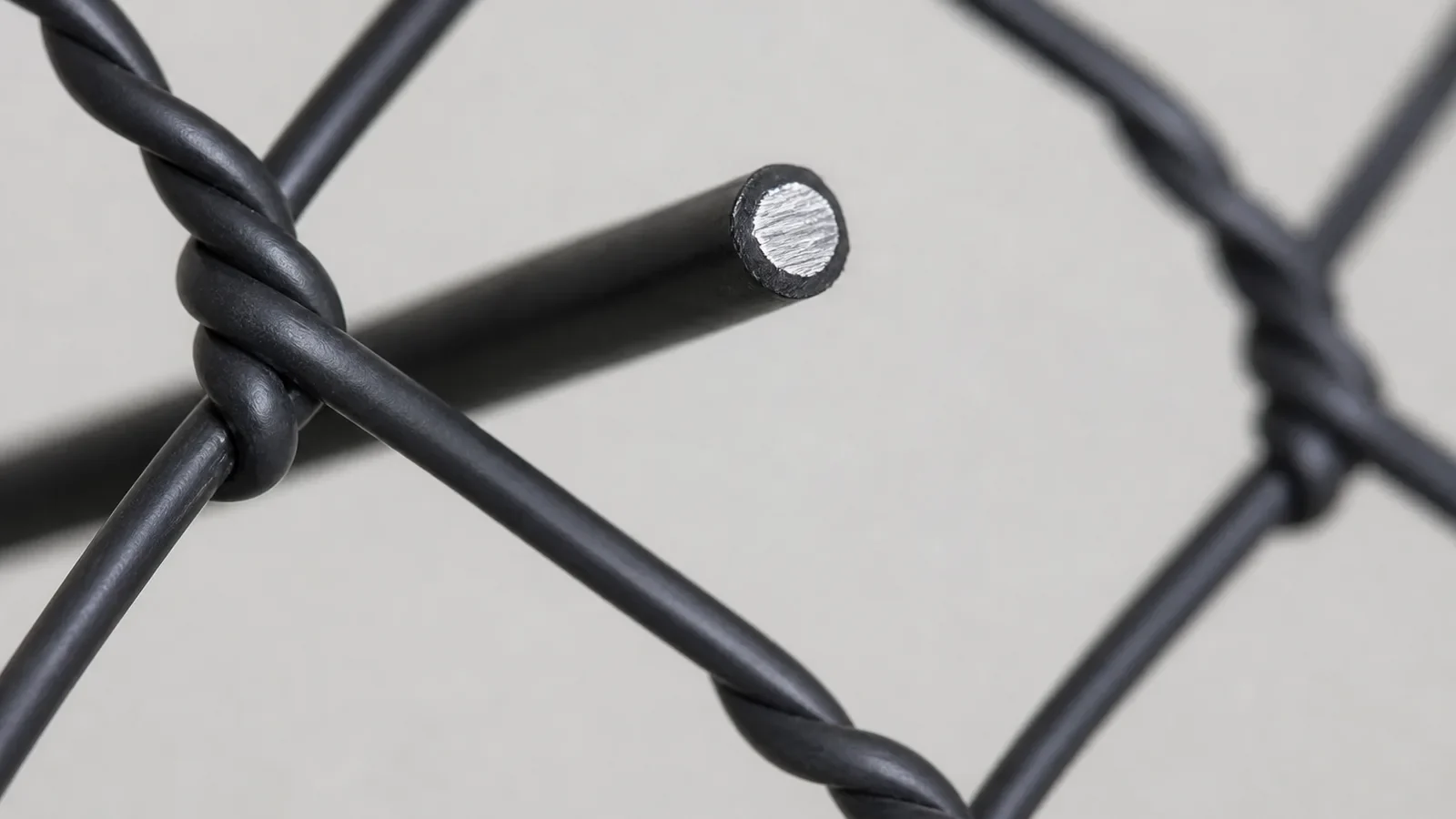
The current stainless-steel-wire-reinforced cat-net range lists 12+1, 15+3, and 18+6 reinforced structures; black, olive green, beige, and white color options; 1.0 mm PE/HDPE material with a stainless-wire core; and a 30 × 30 mm mesh. It can be supplied in retail cut sizes or continuous rolls for installers.
Those attributes belong in a SKU matrix before artwork approval. A practical row contains:
- importer SKU and supplier item reference;
- product family and 12+1, 15+3, or 18+6 structure;
- ordered color;
- nominal mesh and material description supported by the current record;
- cut width and length, roll length, or other approved supply format;
- net quantity per retail pack and packs per carton;
- accessory-kit BOM and count, where a kit is ordered;
- packing format, barcode, market, language, and artwork revision.
The reinforced-mesh structure control guide keeps 12+1, 15+3, and 18+6 on separate commercial lines. Artwork should follow that separation. A generic “reinforced cat net” label cannot authorize substitution among those structures.
Separate Manufactured Netting From the Accessory Kit
Max Cat Net manufactures the netting and can supply fastening rope, hooks, dowels or plugs, and cable ties as part of a kit. Company records also state that some installation accessories are externally sourced, then matched, assembled, and inspected. Packaging should describe the sellable kit accurately without implying that every component is manufactured in the same factory.
Use a BOM ID for the accessory set and link that ID to the artwork proof. If the same net is sold as net-only, drilled-installation kit, or no-drill kit, create separate SKUs or a clearly controlled variant system. The package face, side label, insert, barcode record, and carton mark should preserve that distinction.
The published private-label supply-scope guide explains the boundary among manufactured netting, sourced accessories, and kit assembly. The artwork file should repeat that boundary in buyer-approved language rather than inventing a manufacturing claim for hooks, adhesive, cable ties, or plugs.
Build an Artwork Proof With Traceable Factual Layers
Review the design in layers. Start with identity fields that must match the purchase order: brand, SKU, product name, net structure, color, size or roll format, quantity, and kit BOM. Then review market fields such as language, importer contact, barcode, country-specific marks, and required disposal or warning text.
Keep evidence next to each claim. A feature statement about material, mesh, use, or certification needs a current source tied to the exact product and certificate scope. The current company record identifies CE and REACH as the relevant document set, but external display still requires verification of certificate holder, product, model, date, and scope. A certificate logo or statement should remain off the proof until that match is documented.
Safety language needs the same discipline. The wire-reinforced net is positioned for pet applications such as balconies, windows, stairs, terraces, and bird protection. The product record explicitly excludes using it as a child-safety net. Packaging, inserts, and marketplace graphics should preserve that boundary.
Match Color Names Across Proof, Sample, and Carton
Color names can drift between design teams, supplier quotations, and warehouse labels. Use the approved commercial names—black, olive green, beige, or white—plus the buyer’s SKU and physical sample reference. A screen proof helps with layout, but it cannot prove the final net appearance under a particular balcony background and light.
The wire-reinforced cat-net color approval workflow treats sample, elevation, and lot as visible evidence. For packaging, the artwork color and the product color are separate controls. One is printed brand presentation; the other identifies the net inside. Give each its own reference so a beige package background is never mistaken for approval of a beige net.
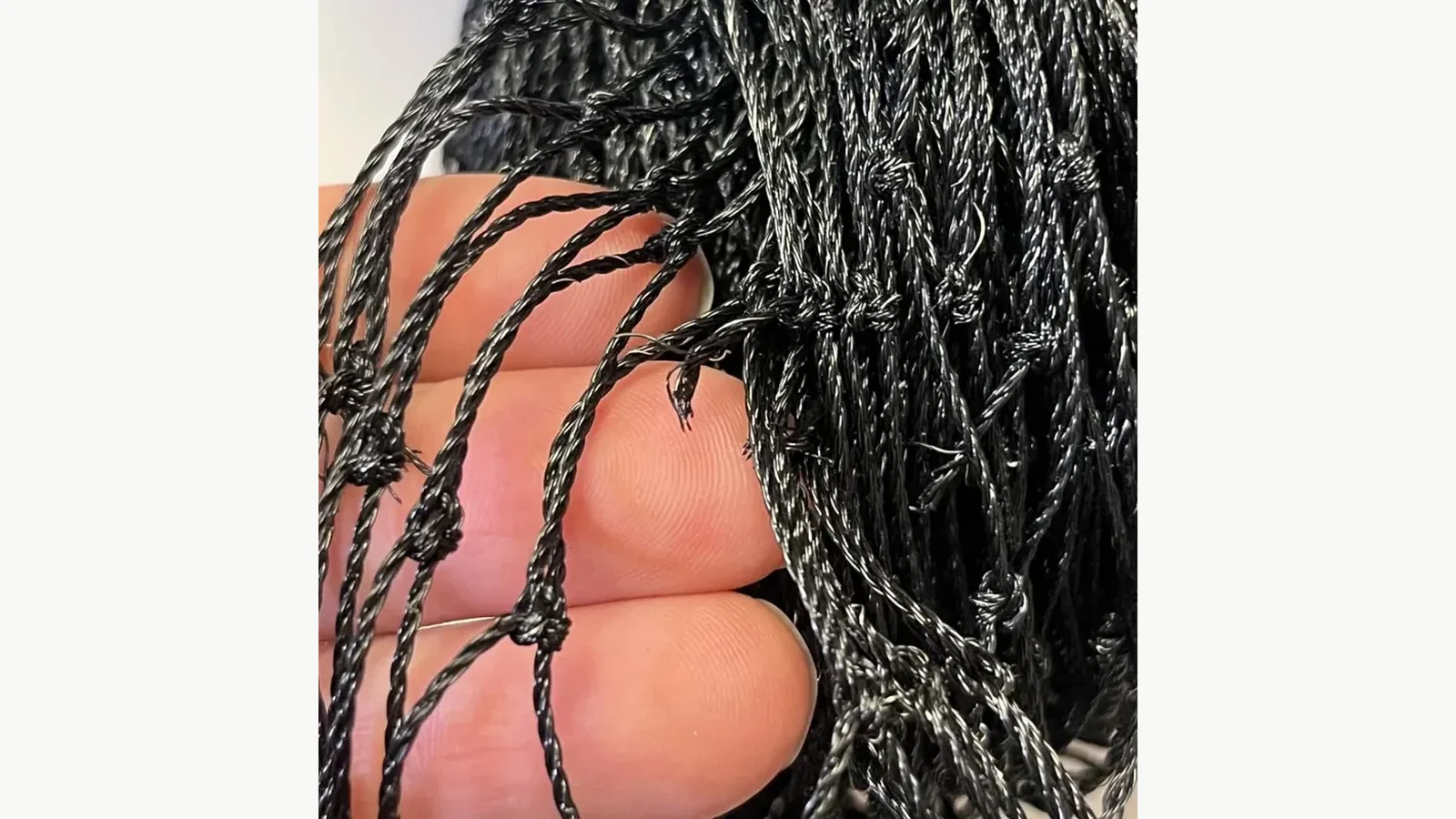
If product photography appears on the pack, bind the image to the SKU. A transparent nylon-net image does not represent the wire-reinforced product. Likewise, a black reinforced-net close-up cannot prove white, beige, or olive-green appearance. Use exact-entity media and label any illustrative installation scene honestly.
Verify Size and Quantity Where Customers Read Them
The dimensions on the front, side, barcode label, inner insert, and master carton should match. Decide whether the market expects metric, imperial, or both; name the measuring convention; and keep width and length in the same order everywhere. For continuous rolls, distinguish nominal roll supply from pre-cut retail panels.
Count language needs equal care. “One kit” can mean one net plus accessories, while “one piece” might refer only to the net. State the physical contents in a short list and match them to the approved BOM. Where accessory quantities depend on opening size or installation method, use the exact pack-specific count rather than a universal promise.
A proof checklist can include:
| Proof area | Required match |
|---|---|
| Front panel | brand, product family, SKU variant and approved product image |
| Specification panel | structure, mesh, material, color, cut or roll size |
| Contents panel | net quantity, accessory BOM and counts |
| Barcode panel | code, encoded SKU, market and variant |
| Installation guide | correct installation method, product boundary and language revision |
| Master carton | SKU, color, size, pack count, carton count and shipping mark |
Treat Barcodes and Translations as Controlled Data
Scan every final barcode from a production-equivalent proof and compare the decoded value with the buyer’s item master. A visually correct number printed below the bars cannot compensate for an encoded error. Record symbology, quiet-zone requirement, size, contrast, placement, and the party responsible for final scan approval.
Translations should be reviewed against the approved source text. Give translators a locked glossary for product family, mesh, color, installation method, and safety boundary. Back-translation or a second qualified review can expose a phrase that changes the use claim or turns an option into a standard feature.
Keep local regulatory statements with the importer’s compliance owner. The factory can provide product and order evidence; the destination-market owner confirms mandatory language, markings, responsible-party details, and barcode rules.
Approve a Physical Pack, Not Only a PDF
A PDF proof confirms content and layout. A physical pre-production pack checks print size, legibility, folds, seams, label placement, product fit, accessory separation, scuff exposure, and barcode scanning on the actual substrate. Link the physical sample to the same revision shown in the digital proof.
Place the intended net and accessory set into the trial pack. Compare the contents with the BOM, verify that the product label remains visible where required, and photograph the opened pack in a consistent sequence. Then pack it into the master carton and check that the retail SKU can be reconciled without opening every unit.
Control Revisions From Approval to Reorder
Name artwork files with SKU, language or market, revision, and approval date. Keep obsolete files in a restricted archive so the printer receives only the released version. The purchase order, sample approval, packing specification, barcode master, and carton mark should cite the same revision.
Any change to mesh structure, color, size, kit contents, claims, translation, barcode, responsible-party text, or packaging format needs a reviewed change record. A reorder can reuse artwork only after the buyer confirms that the physical SKU, market requirements, and documents remain unchanged.
For a private-label quotation, send the SKU matrix, exact net structure and color, cut or roll dimensions, accessory BOM, pack and carton quantities, target market, language set, barcode data, approved claims, artwork dieline, and proof schedule. That package gives the supplier enough detail to price the real deliverable and return a controlled sample.