
Site remeasurement is not complete when someone writes a new width on the old drawing. A changed opening can alter panel outline, edge length, seam or panel division, accessory quantity, orientation, packing label, fixing path and installation access. The project needs a controlled comparison between old and new records, an impact decision, a stop on obsolete production or installation, a released revision, and traceability for any panel already manufactured.
Trigger a Formal Change Record
Record why the site was remeasured, who measured it, date, equipment or method, opening ID, current site condition, old revision, new evidence and immediate status of production and installation. Reasons may include completed finishes, facade work, corrected datum, access to a previously hidden edge or discovery of an obstruction.
Use neutral facts. A different measurement is not automatically proof that the first survey was careless; site and reference conditions may have changed.
Compare Records Field by Field
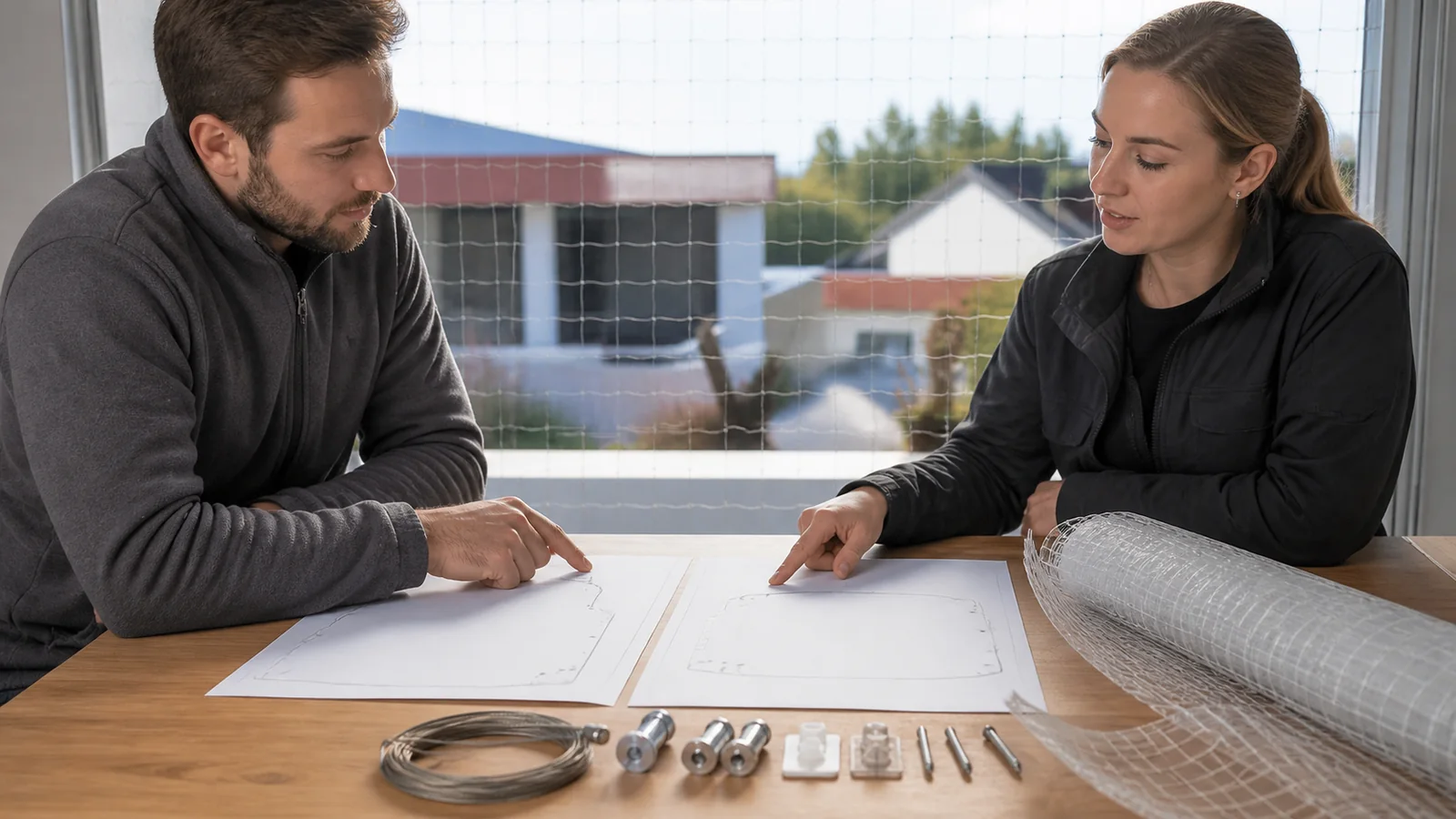
Place the old and new plans side by side. Compare top and bottom widths, side heights, diagonals, depths, corner coordinates, posts, rails, beams, pipes, moving elements, visible substrates, access and photo directions. Use the measurement guide to keep field names consistent.
Highlight every difference rather than replacing the old values. The comparison should show what changed, what stayed the same and what remains unverified.
Classify the Product and Installation Impact
Decide whether the change affects only a document, panel size, panel shape, orientation, edge finish, panel division, material quantity, accessory set, fixing proposal, installation access, packing, label or schedule. Ask the supplier and installer to review together where product and site responsibilities meet.
A small numerical change can be important near a corner or obstruction, while a larger change in an open straight run may be easier to accommodate. Impact must follow the actual design, not the number alone.
Stop Obsolete Work at Every Location
Identify purchase order line, production order, cut panel, accessory kit, label, package, shipment, staging location and installation schedule affected by the old revision. Issue a clear hold or cancellation where needed.
Never rely on sending a revised PDF. Confirm that production, packing, warehouse, site and installer teams received and acknowledged the status. Physically segregate any obsolete or pending panel.
| Change Area | Question | Required Record |
|---|---|---|
| Geometry | Which coordinates changed? | Redlined old/new drawing |
| Product | Size, shape, material or edge affected? | Supplier impact review |
| Accessories/fixing | Quantity or method affected? | Installer clarification |
| Existing panel | Reusable, modifiable, held or obsolete? | Written disposition |
| Packing/site | Labels and opening assignment updated? | Revised register |
Control Any Existing Panel
Record the exact panel ID, material, dimensions, edge and current location. The supplier and installer should decide whether it remains correct, can be modified through an approved method, belongs to another verified opening, must be returned, or becomes obsolete. Never trim or relabel it informally to avoid delay.
If reassignment is proposed, verify full geometry, product specification, orientation, edge, accessories and opening identity. Similar width and height are not enough.
Release a Complete New Revision
Issue a new drawing and schedule with revision, date, reason, opening and panel IDs, dimensions, material, edge, accessory set, fixing confirmation points, packing labels and effective status. Link old and new records. Use panel identification so the physical product follows the revision.
Obtain buyer, supplier, installer and building approvals appropriate to the project. State which previous revision is superseded and which work can resume.
Verify Again Before Installation
At pre-start, compare the new panel, current opening and released revision. Confirm that site work did not continue after remeasurement. Photograph the final boundary and mark any remaining field verification.
At handover, retain the as-installed record and the reason for change. This history helps future replacement and prevents an obsolete drawing from returning, but it does not replace routine inspection or professional assessment.
Maintain an Obsolete-Panel Register
Remeasurement can leave a physical panel that no longer matches its original opening. Create an obsolete-panel register with project, original opening and panel IDs, old revision, material, dimensions, edge treatment, accessory association, production date, current location, reason for status and authorized disposition. Attach clear label and product photos.
Use status values such as held for review, approved for controlled modification, reassigned after full verification, return to supplier, retained as sample or disposal authorized. Never label a panel spare without proving where and how it can be used. A panel that is too small for one opening is not automatically suitable for another.
Control physical labels and digital inventory together. When disposition is complete, record date, responsible person and evidence. If a panel is reassigned, the new opening register should reference both identities and the approval. This prevents an obsolete panel from reappearing during a later phase when staff recognize its approximate dimensions but no longer remember why it was held.
Close the Superseded Revision Across All Registers
Confirm that supplier production, panel register, accessory list, packing label, warehouse, staging plan and installer schedule all reference the new revision. Mark the old record superseded without deleting its evidence. Give any existing panel a final status. The change closes only when the physical product and every operational register agree on the same opening and specification.
Review Cost and Schedule Without Pressuring Technical Approval
The change register should show material, labor, access, packing, delivery and schedule effects for each disposition. Procurement can compare remake, approved modification, reassignment or return while the installer and supplier review technical suitability. Keep the decisions linked but separate. An expensive remake does not make an uncertain panel fit acceptable, and a technically reusable panel still needs a commercial owner and schedule. Record who accepts each consequence before production resumes, avoiding hidden pressure on site teams to use obsolete work. Issue the commercial decision with the same revision reference as the technical disposition so purchasing cannot release a cost-approved option that the installer has not accepted. Inform the site team which opening remains unavailable and update resident or building appointments only after the released disposition has a confirmed production and installation date.
Buyer Checklist
- Open a formal change record with old and new revisions.
- Compare geometry, boundaries, substrates, access, and photos.
- Classify product, accessory, fixing, packing, and schedule impact.
- Stop obsolete production, shipment, staging, and installation.
- Give every existing panel a written disposition.
- Release a complete superseding drawing and register.
- Verify panel and opening again at installer pre-start.
Frequently Asked Questions
Can the new dimension be written on the old drawing?
Use a controlled revision that preserves the old record and clearly releases the new complete specification.
Can an already cut panel be used elsewhere?
Only after full product, geometry, orientation, edge and opening verification with written reassignment.
Does every remeasurement require a new panel?
No. It requires an impact review; the responsible supplier and installer decide the product disposition.
Related Product or Reading
Use reinstalling cat net after window or facade work when construction changes are the reason for remeasurement.
Discuss the Exact Project
Send MaxCatNet the old and new surveys, reason for change, panel status, boundary photos, material, edge, accessory and fixing questions, production stage, and required approval route.