Cat-net cartons can look almost identical while containing different mesh constructions, colors, panel dimensions or accessory scopes. A warehouse picker who sees only “cat protection net” may build a pallet that is correct in total carton count but wrong at the line-item level. The error usually appears later, when an installer opens the carton or a private-label customer scans the retail SKU.
The control is to give every sellable configuration one unambiguous identity and preserve it from purchase order to pallet map. Construction, color, size, kit scope, label revision and lot must travel together.

Separate Product Construction Before Color and Size
Max Cat Net's stainless-steel-wire reinforced cat net is a distinct product entity. The current product record lists 12+1, 15+3 and 18+6 reinforced structures, 1.0 mm finished diameter, 30 × 30 mm mesh, and black, olive green, beige and white color options. Those fields must not be collapsed into a generic warehouse description.
Transparent nylon netting is another product entity with its own 0.40 mm line, 30 × 30 mm mesh and listed kit sizes. Similar mesh spacing does not make the constructions interchangeable. Put the construction at the beginning of the SKU description so a shortened warehouse display does not hide the most important difference.
For reinforced netting, a practical line identity contains structure, finished diameter, mesh, color, ordered dimensions or roll length, packing format and label revision. If one field is pending, hold the line from pick release rather than filling it from a neighboring SKU.
Build a Pick List That Mirrors the Purchase Order
The pick list should use the same line number and revision as the commercial order. Add warehouse location, lot, carton count and destination. For private-label programmes, add artwork or barcode revision without treating artwork as proof of the physical net inside.
| Pick control | Why it stays on the line |
|---|---|
| Mesh construction | Prevents 12+1, 15+3 and 18+6 substitution |
| Color | Keeps elevation or retail assortment consistent |
| Dimensions | Prevents a correct product in the wrong panel or roll size |
| Kit scope | Separates manufactured netting from sourced accessories and assembly |
| Label revision | Prevents obsolete barcode or artwork release |
| Lot | Preserves receiving and complaint traceability |
| Destination | Stops one dealer's assortment from entering another shipment |
The private-label cat net supply-scope guide explains why manufactured netting, sourced accessories and kit assembly need separate confirmation. Warehouse picking should consume that approved scope; it should never decide the scope by opening one sample carton and assuming every SKU matches.
Use a Two-Point Identity Check
At the storage location, compare the location label and carton label with the pick line. At the pallet, repeat the check against the pallet map before stretch wrapping. Two checks at different physical points catch different mistakes: the first catches a wrong location; the second catches a carton placed on the wrong layer or destination pallet.
For cartons that have been opened for inspection, add a resealed status and quantity verification. An opened carton should not return to general stock until its SKU, lot, remaining quantity and contents have been reconciled. Avoid mix loose panels or accessory bags from several lines just because they share a color.
Photographs are helpful when they show the label, visible mesh and pallet position together. A close-up of black mesh alone cannot prove structure or size. Keep the photo filename or record number with the pick sheet rather than relying on a warehouse chat message that loses the order context.
Verify the Physical Net Without Destructive Guessing
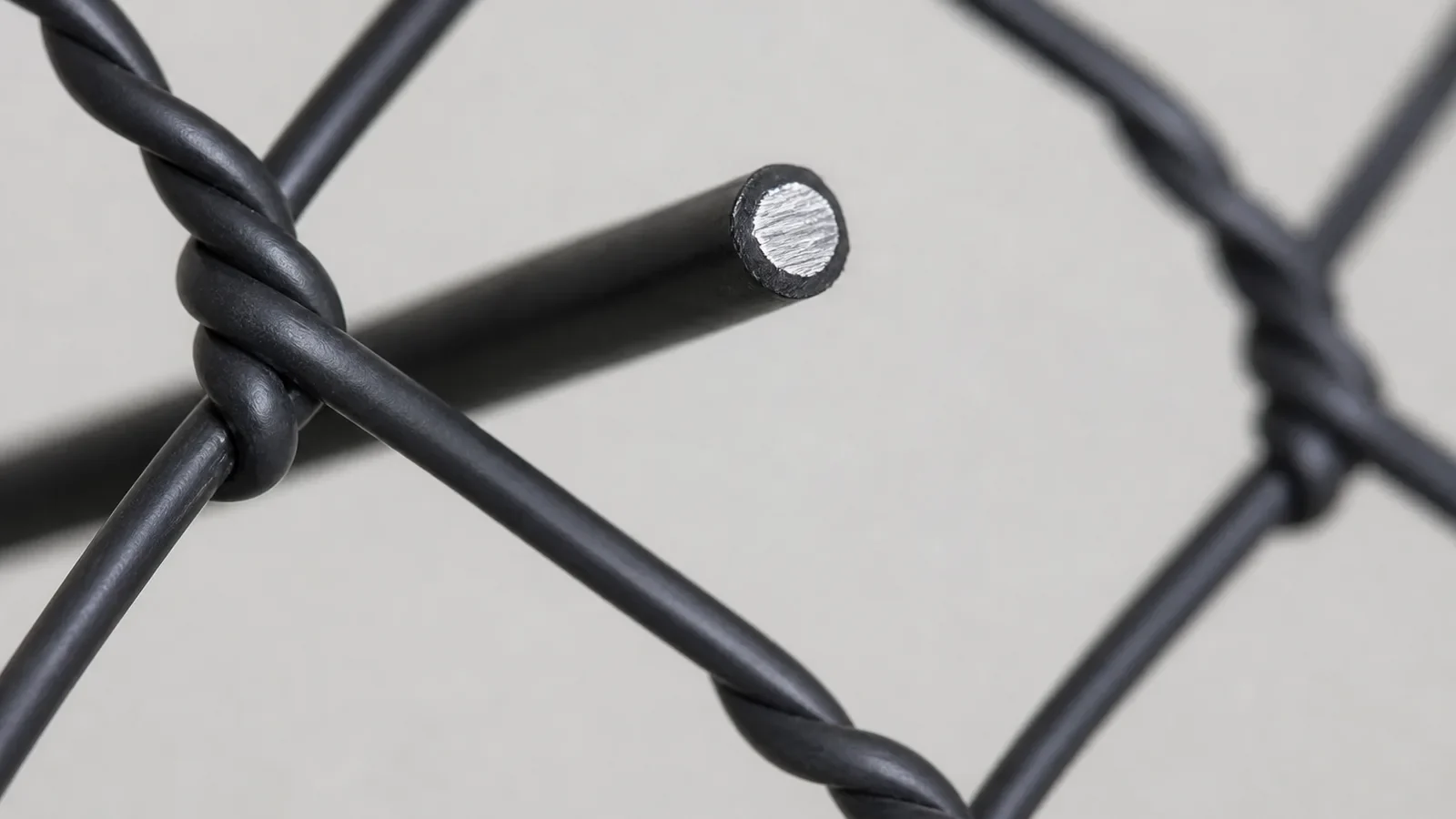
A receiving or dispatch sample can confirm visible identity, but the sampling plan belongs to the buyer's quality system. Compare the approved sample and product record with the picked line. For wire-reinforced netting, check the recorded structure, finished diameter, mesh and color. If the wire core or structure cannot be confirmed without damaging the saleable item, use the approved supplier record and controlled retained sample.
The existing 30 mm cat-net mesh inspection guide shows why aperture readings need a defined tension and sampling method. Warehouse staff should not invent a new acceptance tolerance during picking. Their task is identity and quantity reconciliation; quality exceptions should move to the named reviewer.
Control Mixed Colors and Destination Splits
Multi-color orders deserve a pallet map. Record which color appears on each pallet and layer, then place a visible destination label on at least two sides according to the buyer's packing requirement. Keep olive green, beige, white and black descriptions exactly aligned with the approved color sample and sales line.
If one shipment serves several installers or dealers, allocate each line before loading. A later verbal requirement to “send the remaining black rolls to branch B” needs an order revision. Warehouse convenience is not an acceptable reason to change the commercial assortment.
The same principle applies to partial picks. Mark picked, short, held and substituted quantities separately. A proposed substitute should return to commercial and technical approval; it should not be hidden inside the original SKU count.
Close the Dispatch Record Before Loading
Before release, reconcile total cartons by order line, pallet and destination. Confirm label revision, lot, open-carton status, shortage, hold tags and pallet photographs. The checker should sign a record that another person can reconstruct after delivery.
For FOB orders, the FOB Qingdao quote revision-control guide keeps commercial scope and shipment basis aligned. The warehouse record adds the physical proof that the approved lines reached the correct pallet. Neither record replaces the other.
Related Cat-Net Guides
- Private-label cat net packaging artwork approval
- Cat net roll remnant control for installers
- Wire-reinforced cat net color approval by elevation and lot
Request a Dispatch-Ready Specification Review
Send the line-item schedule, mesh construction, color, dimensions, kit scope, carton-label proof, lot rule and destination split through Max Cat Net contact. A precise review keeps the physical product, label and pallet map aligned without making unsupported safety or installation guarantees.