An FOB Qingdao cat net quotation is only useful when the buyer can see exactly what product, named-place scope, packing, origin handling, and optional work the price covers—and can trace every later change to a dated revision. A single unit price can hide different finished sizes, mesh structures, labels, accessories, carton quantities, validity periods, or export assumptions. Put those fields into separate lines and lock a revision before comparing suppliers.
MaxCatNet's current business record lists FOB Qingdao as a commonly used term and T/T as a common payment method. It also records a normal MOQ of 100 pieces and indicative production windows that vary by product, specification, packing, season, and order. None of those points should be copied into a purchase order without confirmation for the actual quotation.
Lock the Product Line Before Discussing Freight
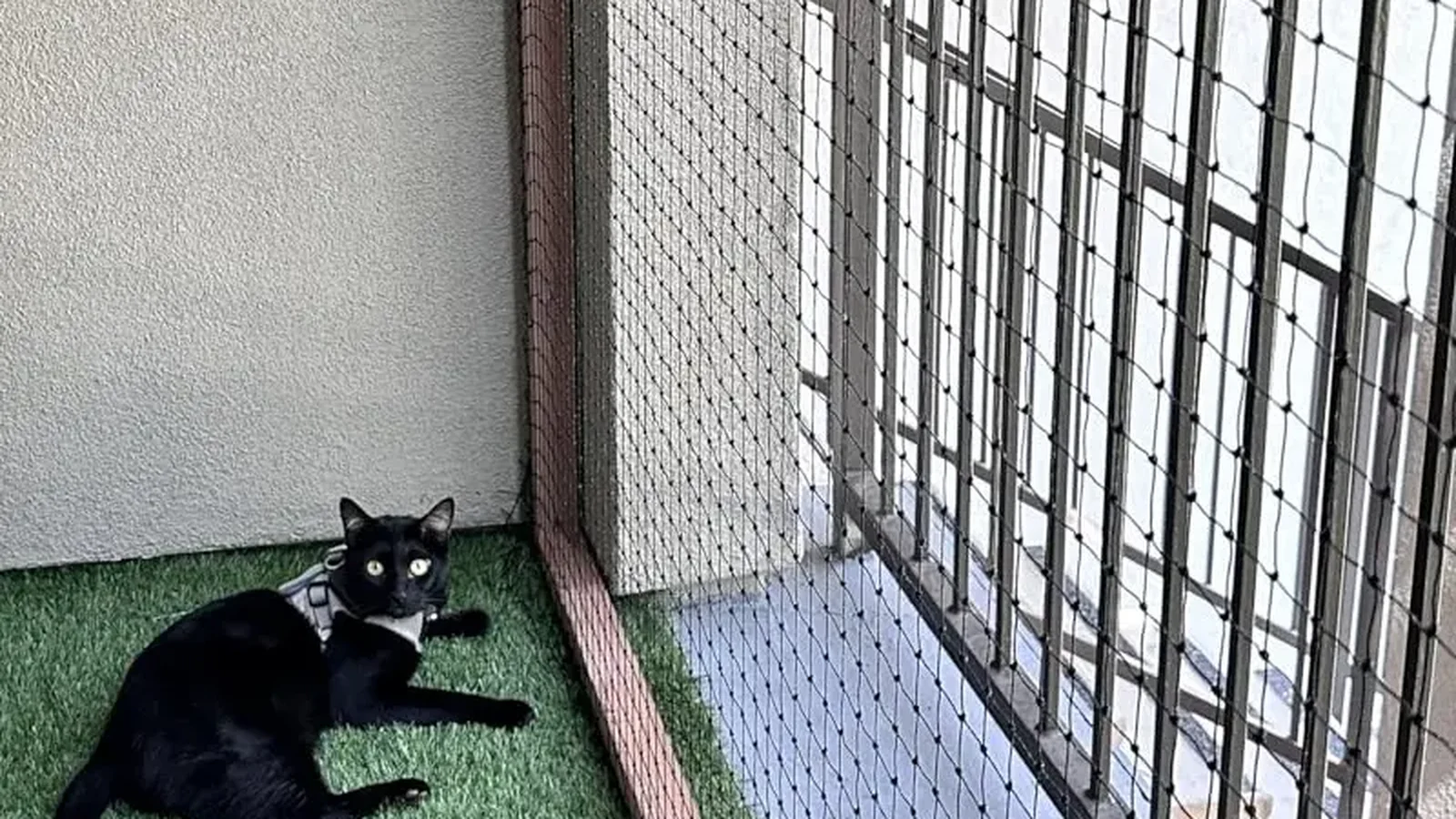
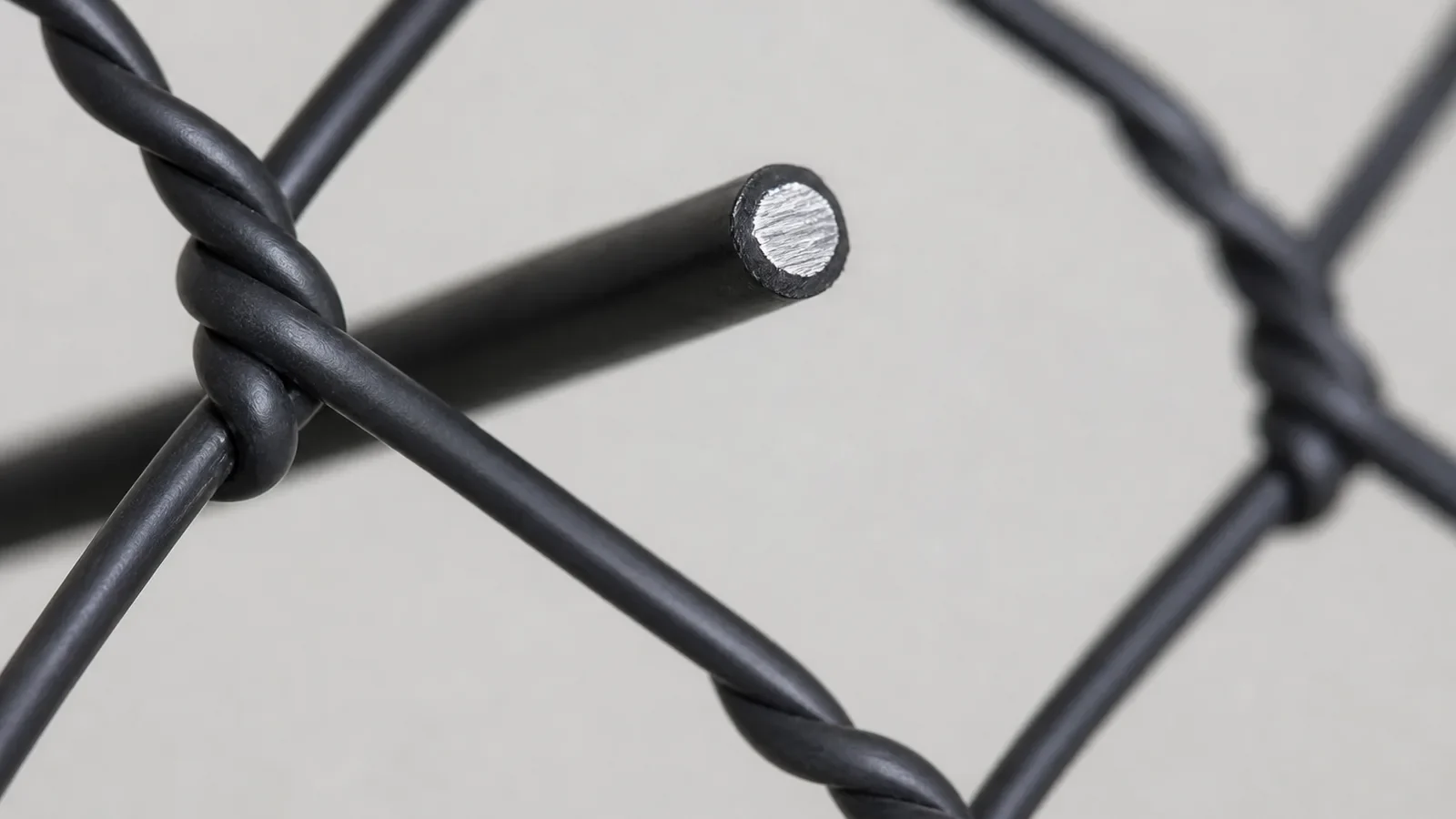
The current stainless-steel wire-reinforced cat net record lists 12+1, 15+3, and 18+6 constructions, a stated 1.0 mm finished strand, 30 mm mesh, and Black, Olive Green, Beige, or White options. Those fields identify the product family, but the quotation still needs a selected construction, colour, finished size, edge treatment, quantity, and sample reference.
Create one commercial row per SKU. Avoid combining several constructions or panel sizes under one average price. A quote-ready product row should contain:
- construction: 12+1, 15+3, or 18+6;
- confirmed finished strand and mesh specification;
- colour and approved colour sample;
- roll, cut panel, or other agreed finished format;
- dimensions and measurement basis;
- edge and corner treatment;
- piece count or roll quantity;
- sample or artwork revision;
- permitted variation and inspection method.
The supplier may source accessories, but accessory manufacture must not be implied. List ropes, hooks, clips, cable, tools, or other items as separate lines with their supplier, material, quantity, and approval status.
Divide Every Quote Revision Into Five Visible Sections
A practical FOB Qingdao quotation can be reviewed in five sections. The headings matter more than a particular spreadsheet design.
| Section | What the buyer should see |
|---|---|
| Product | exact net SKU, size, construction, colour, quantity and unit basis |
| Packing | bag, box, carton, labels, inserts, pallet or FBA-style work if requested |
| Origin scope | agreed export packing, origin handling and documents stated by the supplier |
| Options | samples, artwork, accessories, testing or custom work priced separately |
| Buyer-side scope | freight and destination items to be confirmed with the buyer's forwarder or broker |
This article is not a legal interpretation of an Incoterm or a destination-cost quotation. The sales contract, the applicable Incoterms rule named by the parties, the forwarder, and the customs broker govern the actual responsibility and cost boundary. The purpose here is narrower: make every priced assumption visible so two offers can be compared on the same basis.
Show Packing as a Costed Specification
Cat net packing is part of the SKU. A compact folded panel in a labelled bag, a retail box, a master carton, and a marketplace-ready set may have different material, labour, volume, and artwork requirements. “Export packing included” does not tell the buyer which of those formats is being priced.
For each packing level, state:
- net units per bag or inner pack;
- inner packs per carton;
- carton dimensions, net weight, and gross weight when confirmed;
- labels, language, barcode, warning text, and buyer item code;
- leaflet or insert revision;
- neutral or private-label presentation;
- accessory placement and segregation;
- pallet or no-pallet basis;
- approval evidence required before production.
The private-label cat net packaging artwork approval workflow explains how SKU proof and artwork revision stay connected. The price sheet should repeat that approved revision rather than referring vaguely to a file shared in chat.
Keep Origin and Destination Assumptions Apart
Ask the supplier to state the named place clearly and describe the origin-side scope included in its offer. Then ask the buyer's nominated forwarder or broker to provide the separate freight, insurance if requested, destination handling, customs, duty, tax, inspection, delivery, and local service estimates that apply to the shipment.
These buyer-side lines may change with route, date, equipment, weight, volume, destination, regulation, and service provider. They should remain marked “buyer or broker confirmation required” until a qualified party supplies them. The cat net supplier's quotation should not invent a destination landed cost it does not control.
When comparing two offers, normalize:
- currency and quotation validity;
- unit basis—piece, square metre, roll, set, or carton;
- selected construction and finished dimensions;
- packing and artwork workload;
- named place and included origin scope;
- sample, testing, and accessory lines;
- production window and shipment assumptions;
- payment schedule and document list.
An apparently lower product price may cover a different size, lighter construction, neutral bag, no accessories, or a different commercial boundary. The comparison sheet should expose that difference instead of treating it as a saving.
Treat MOQ, Samples, and Lead Time as Quote-Specific
The current supplier profile gives a normal MOQ of 100 pieces, sample guidance of RMB 10–100 with a 1–2 day preparation window, and production guidance of 20–35 days in a normal period or 30–45 days in a peak period. These are reference ranges only. Product construction, finished dimensions, colour, accessory sourcing, artwork, packing, quantity, payment timing, and capacity can change the actual offer.
The cat net trial-order guide for MOQ, samples, and lead time owns that approval sequence. In the commercial sheet, label every value “subject to current quotation and order confirmation.” A reference range must never be converted into a guaranteed delivery date.
Make Revision Control the Approval Record
Give every supplier response a revision number and date. Record the currency, validity deadline, named place, quantity basis, payment milestone, open points, who owns each answer, and the response deadline. If an updated quote changes construction, size, quantity, packing, or commercial scope, preserve the old version, issue a new revision, and note the change. A buyer approval should cite the exact revision rather than saying only “price approved.”
A compact comparison record includes:
| Field | Buyer record |
|---|---|
| Product revision | construction, colour, size, edge and sample ID |
| Quantity | units and calculation basis |
| Packing revision | bag, carton, label, insert and pallet fields |
| Commercial basis | currency, validity, payment, named place and scope |
| Timing | sample, approval, production and requested shipment dates |
| Exceptions | exclusions, buyer-supplied files, sourced accessories and pending evidence |
| Decision | approved, held, or returned for clarification, with owner and date |
The separate private-label supply-scope guide helps distinguish manufactured netting from sourced accessories and brand services. Carry that distinction into both the price and the purchase order.
Send a Quote Request That Can Be Answered Once
For a comparable FOB Qingdao cat net quotation, send the construction, finished mesh and strand specification, colour, panel or roll dimensions, measurement basis, edge finish, quantity, packing, labels, artwork, accessories, destination, desired shipment window, and nominated-forwarder contact if available. Ask the supplier to identify included origin work, exclusions, current MOQ, sample cost, production window, and every field still awaiting confirmation.
That request gives the factory enough information to price a defined order and gives the buyer a clean handoff to logistics. It also prevents a destination assumption or private-label service from disappearing inside an unexplained unit price.