A private-label cat-net kit can contain items from more than one supply route. Max Cat Net manufactures the two core netting families in its current product range, while items such as cable ties, metal hooks, plastic wall plugs, and plastic hooks may be sourced and then matched, inspected, assembled, and packed with the net. Buyers should put that boundary into the RFQ instead of assuming every kit component is made in one factory.
This distinction is not a weakness. It is a control point. A clear bill of materials tells the brand owner who is responsible for the net specification, accessory purchase, kit completeness, packaging, labeling, and outgoing evidence. It also prevents a purchased hook or cable tie from being marketed as a proprietary manufactured part without proof.
Use a Three-Part Scope Matrix
The first RFQ page should divide the order into manufactured netting, sourced accessories, and value-added kit work. For the core product, buyers can start with the wire-reinforced cat-net product page or the transparent nylon range, then bind every accessory and packing field to that exact SKU.
| Scope block | What can sit here | What the buyer should define | Evidence before release |
|---|---|---|---|
| Manufactured netting | Transparent nylon net or PE/HDPE stainless-steel wire-reinforced net | material, mesh, strand, structure, color, cut size or roll format | product record, sample panel, lot identification |
| Sourced accessories | Cable ties, metal hooks, plastic wall plugs, plastic hooks, and other agreed fittings | material, dimensions, color, quantity, supplier-change rule | approved component sample and specification |
| Kit assembly and packing | Cutting, component matching, bag or box packing, label application, carton build | bill of materials, count, pack sequence, artwork, barcode, carton marks | golden kit, completeness record, packing photos |
The phrase “complete installation kit” is incomplete without a parts list. It does not show whether a rope, hook, plug, tie, adhesive component, user guide, or label is included. The site and fixing method also decide whether the proposed parts are appropriate; a generic accessory set cannot guarantee installation safety.
Lock the Net Entity Before Discussing the Kit
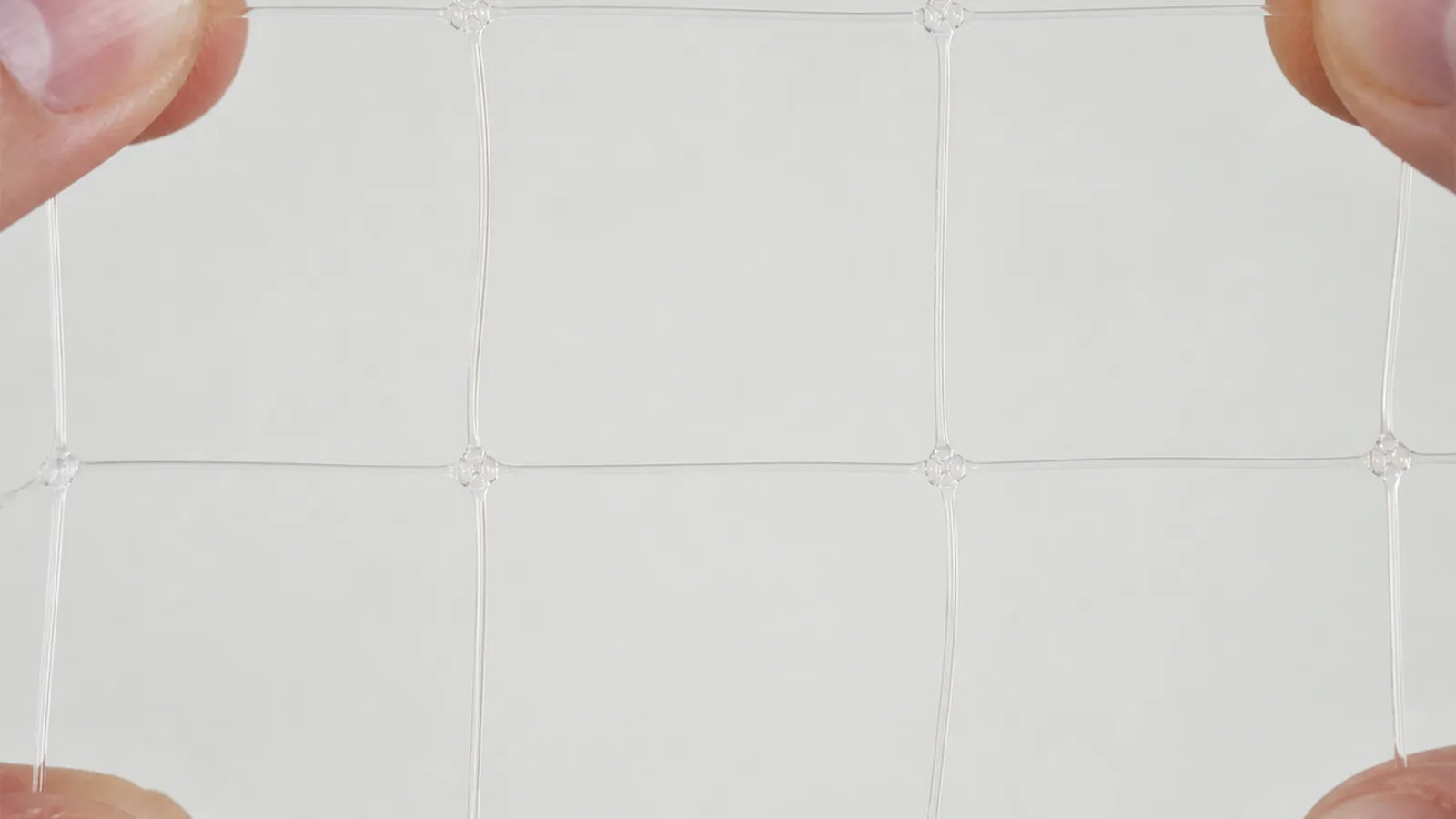
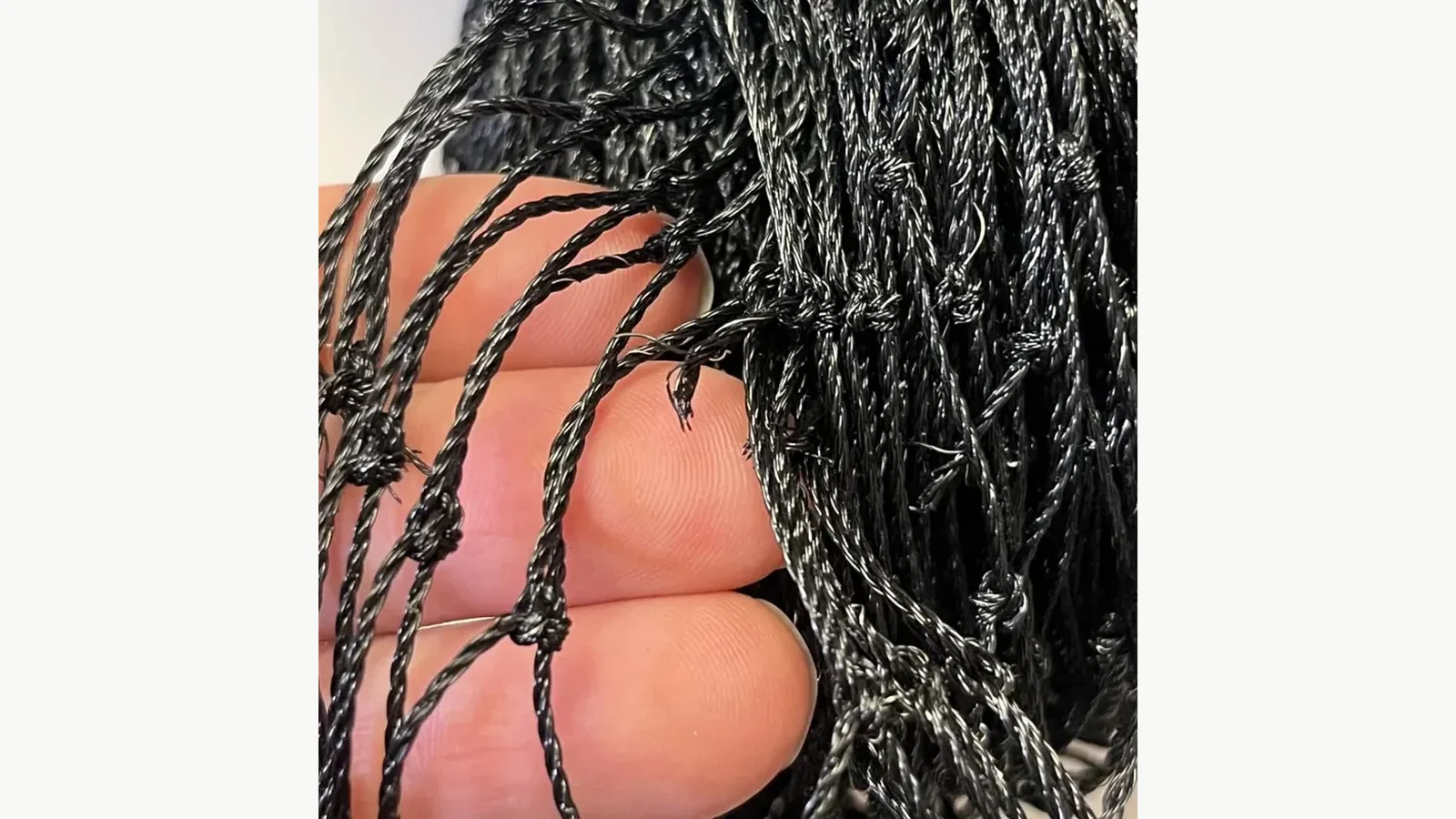
Max Cat Net's core range contains two different product entities. The transparent product is listed as 0.40 mm virgin nylon monofilament with a 30 × 30 mm mesh and transparent appearance. The reinforced product is listed as a PE/HDPE multi-strand construction with a stainless-steel wire core, a 1.0 mm strand, a 30 × 30 mm mesh, and 12+1, 15+3, or 18+6 structure options.
Those fields must not migrate between products. A transparent-net photograph cannot prove a wire-reinforced structure, and a reinforced-net color choice cannot be assigned to the transparent product without order confirmation. The private-label SKU should name the exact net family before it lists any hook or packaging option.
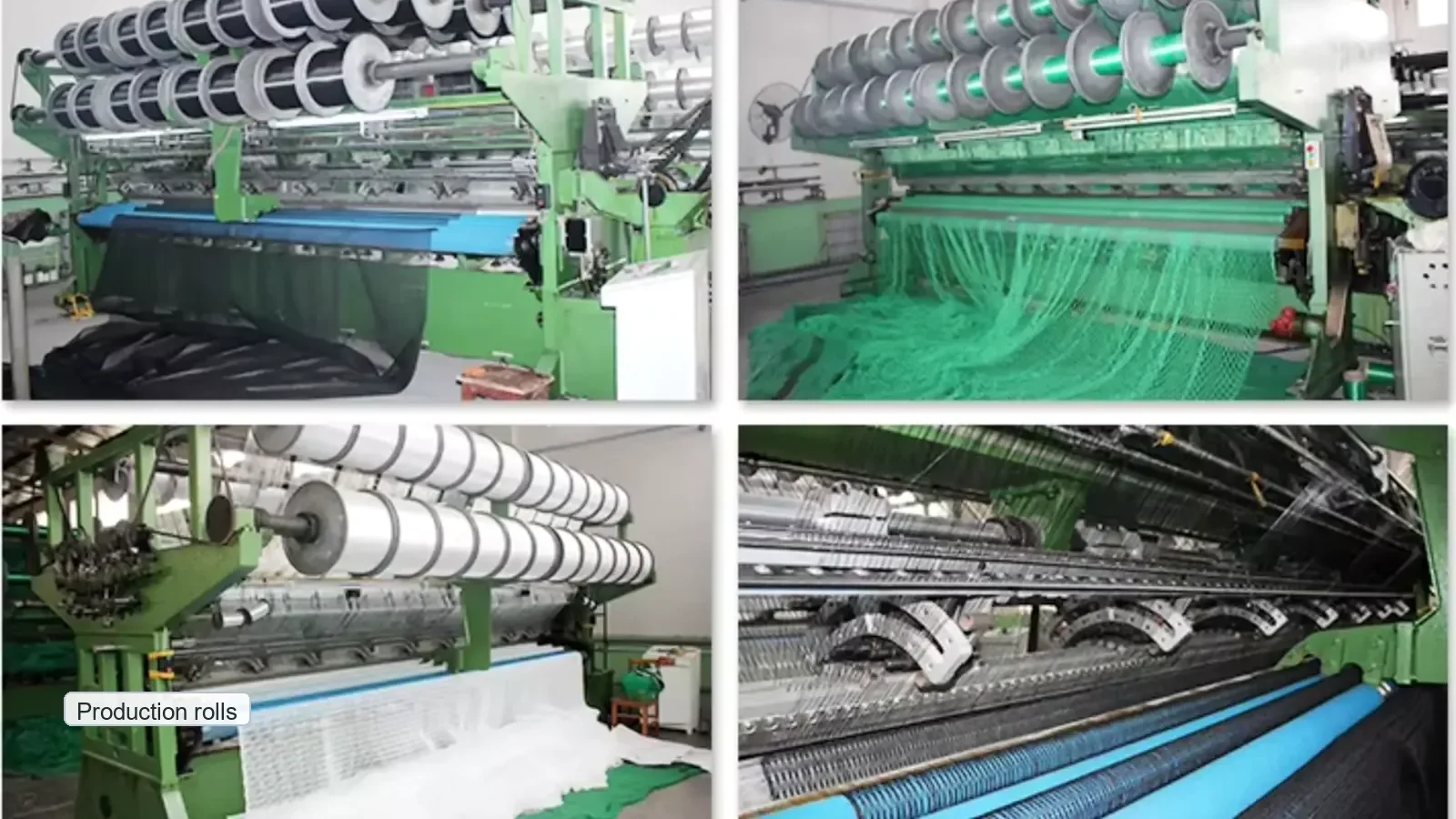
For cut kits, state finished dimensions and the buyer's measurement convention. For installer rolls, state roll dimensions, length tolerance, labeling, and how cut pieces will be traced. If an OEM logo or custom package is requested, keep the artwork revision separate from the net revision so a print change does not silently change the mesh or structure.
Treat Sourced Accessories as Controlled Components
A sourced component still needs a specification. Record the component name, material where known, dimensions, color, quantity per kit, approved sample, acceptable supplier-change process, and receiving check. When a component has no verified performance record, describe it by its physical and order fields rather than claiming a load, service life, weather rating, or universal substrate compatibility.
For no-drill kits, the fixing method must be evaluated against the actual surface and installation conditions. For drilled systems, wall plugs and hooks must match the substrate and installation design. Max Cat Net supplies pet-protection netting; the products must not be described or sold here as child-fall protection.
The buyer should also require a change notice before an accessory source, resin, coating, dimension, or color is changed. A kit can look similar while a small component no longer matches the approved installation plan. The change notice should identify affected purchase orders, cartons, and production dates.
Build One Golden Kit and One Golden Carton
Before bulk production, approve a complete kit laid out in the packing sequence. Count every part against the bill of materials. Photograph the net label, accessory groups, user guide, retail pack, barcode, carton label, and sealed-carton arrangement. Keep one retained kit when practical.
Max Cat Net supports bagged, boxed, FBA, and custom packaging, but the exact format remains an order field. The company-level reference MOQ is 100 pieces and the stated lead-time bands vary by product, quantity, packaging, and production schedule. Buyers should obtain the current quotation instead of publishing those figures as an unconditional promise.
For marketplace or distributor packs, the golden carton should include units per carton, inner separation, moisture protection if specified, gross and net weight, dimensions, carton marks, and barcode placement. Confirm who supplies artwork and who approves translations, warnings, and local-market labeling.
Put Inspection at the Correct Stage
The confirmed company process includes incoming inspection, production-process inspection, finished-product inspection, net-body inspection, kit-completeness inspection, and outgoing inspection. These are control stages, not a zero-defect guarantee and not evidence of an in-house laboratory.
Map each stage to a record:
- incoming: material or purchased-component identity, quantity, and visible condition;
- production: work-order, net structure, color, and cut or roll status;
- finished net: dimensions, mesh and strand checks appropriate to the SKU;
- net body: visible damage, knots or intersections, and agreed sampling method;
- kit completeness: component count against the current bill of materials;
- outgoing: label, carton, quantity, shipment mark, and release status.
The published 30 mm cat-net mesh inspection guide shows why aperture, tension, and sampling method must be defined together. This new scope does something different: it assigns responsibility across manufactured netting, sourced components, assembly, and packing.
Verify Documents Without Expanding Their Scope
The company knowledge base records CE and REACH information, but any external claim should be checked against the certificate or report holder, product, model, date, and covered requirement. Keep REACH distinct from RoHS, and extend a document only to the kit components supported by its scope. Ask for the applicable file set for the exact ordered SKU.
Supplier capability statements need the same discipline. Max Cat Net is an integrated manufacturer and exporter established in 2019. Its confirmed processes include product development, production, cutting, kit assembly, inspection, packaging, and export support. These facts provide no proof of ownership for every accessory design, an in-house laboratory, or a patent.
Related Reading
- Plan a 100-piece cat-net trial order organizes sample timing and the commercial production window.
- Cat-net accessory kit planning for no-drill balconies keeps fixing parts tied to the surveyed installation.
- Cat-net packing for distributors covers rolls, accessory sets, labels, and receiving detail.
Send a Scope-Controlled Private-Label RFQ
Send Max Cat Net the exact net family, structure, mesh, strand, color, cut size or roll format, accessory bill of materials, quantity per kit, artwork revision, retail pack, carton specification, destination, sales channel, inspection plan, and approved-sample references. Ask the quotation to mark each line as manufactured netting, sourced component, or assembly-and-packing work, then approve one golden kit before bulk release.