
A cat net for a pivot window cannot be specified from the clear opening size alone. The sash rotates through space on pivots rather than simply swinging from one side. Part of the sash may move inward while another part moves outward, and the handle, latch, restrictor, cleaning position, and glazing access can all cross the proposed net plane.
The correct first deliverable is therefore a movement-and-boundary survey. Record the fixed frame, pivot axis, full rotation sweep, every operating position, the intended fixing substrate, and the access that must remain available. Then decide whether a fixed net plane is possible or whether the opening needs a separately engineered removable or opening panel. Product selection comes after that geometry is understood.
Start With the Window Type, Not the Net Size
Photograph the complete window from inside and outside where safely accessible. Record whether the axis is horizontal or vertical, whether the sash rotates fully or stops at a restricted angle, and whether the window is top-, centre-, or offset-pivoted. One open-position photo cannot establish the mechanism.
The earlier tilt-and-turn window cat-net guide is not interchangeable with this survey. A tilt-and-turn sash has two defined modes around side and bottom hinges. A pivot sash rotates around another axis and can occupy both sides of the fixed frame. Its swept volume must be mapped separately.
Create a simple opening ID, such as PW-01. Put that ID on every dimension, photo, sketch, panel proposal, and quotation line. For projects with several similar windows, confirm whether the pivot position, handle, restrictor, reveal depth, and surrounding substrate are truly identical before applying one survey to all units.
Map the Full Rotation Sweep
Open the sash through each manufacturer-permitted position while keeping people and pets controlled away from the unprotected opening. Record the leading and trailing edges at several points, not just at the fully open stop. A mid-rotation position can project farther into a proposed net plane than either the closed or fully open position.
The survey sketch should show:
| Survey item | What to record |
|---|---|
| Fixed frame | clear width, clear height, reveal depth, and usable perimeter |
| Pivot axis | orientation and measured location relative to fixed references |
| Inward sweep | maximum projection into the room or reveal |
| Outward sweep | exterior movement that affects access or fixing |
| Handle and latch | hand clearance, operating arc, and locked/unlocked positions |
| Restrictor or stop | current device, permitted opening, and service access |
| Cleaning position | sash position and access needed to clean both faces |
| Net plane candidate | distance from the frame and closest approach to the sash |
Avoid publishing a universal clearance number. The required separation depends on the actual mechanism, panel tension, fixing system, approved installer detail, and local safety requirements. Mark any unverified clearance as an open dimension for the window supplier and cat-net installer.
Choose a Fixing Plane That Stays Outside the Sweep
A potential net plane may sit on the room-side reveal, around a wider wall perimeter, or at another installer-approved boundary. The best-looking line is not automatically usable. It must remain clear of the moving sash, handle, fittings, drainage paths, and maintenance access.
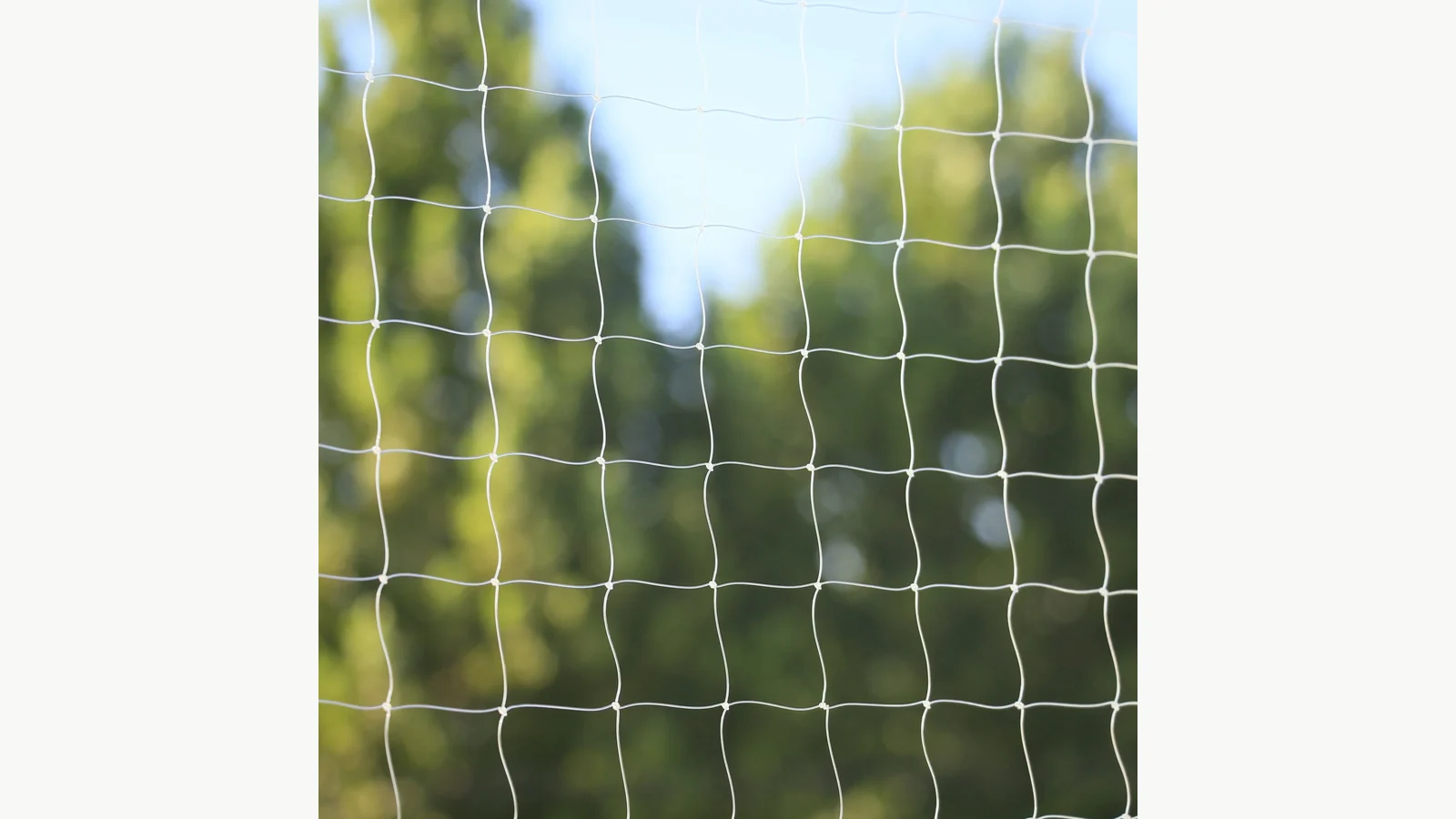
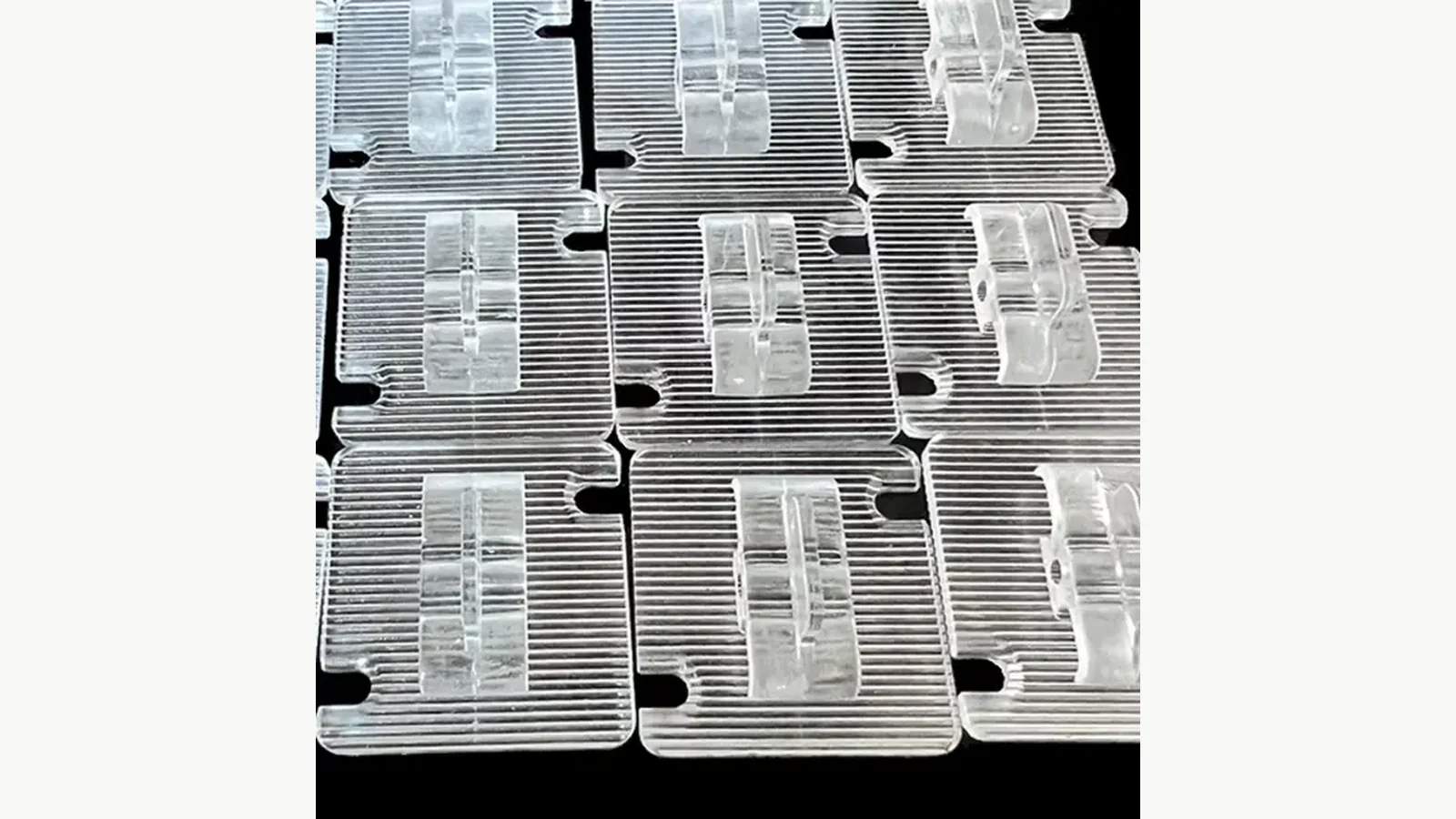
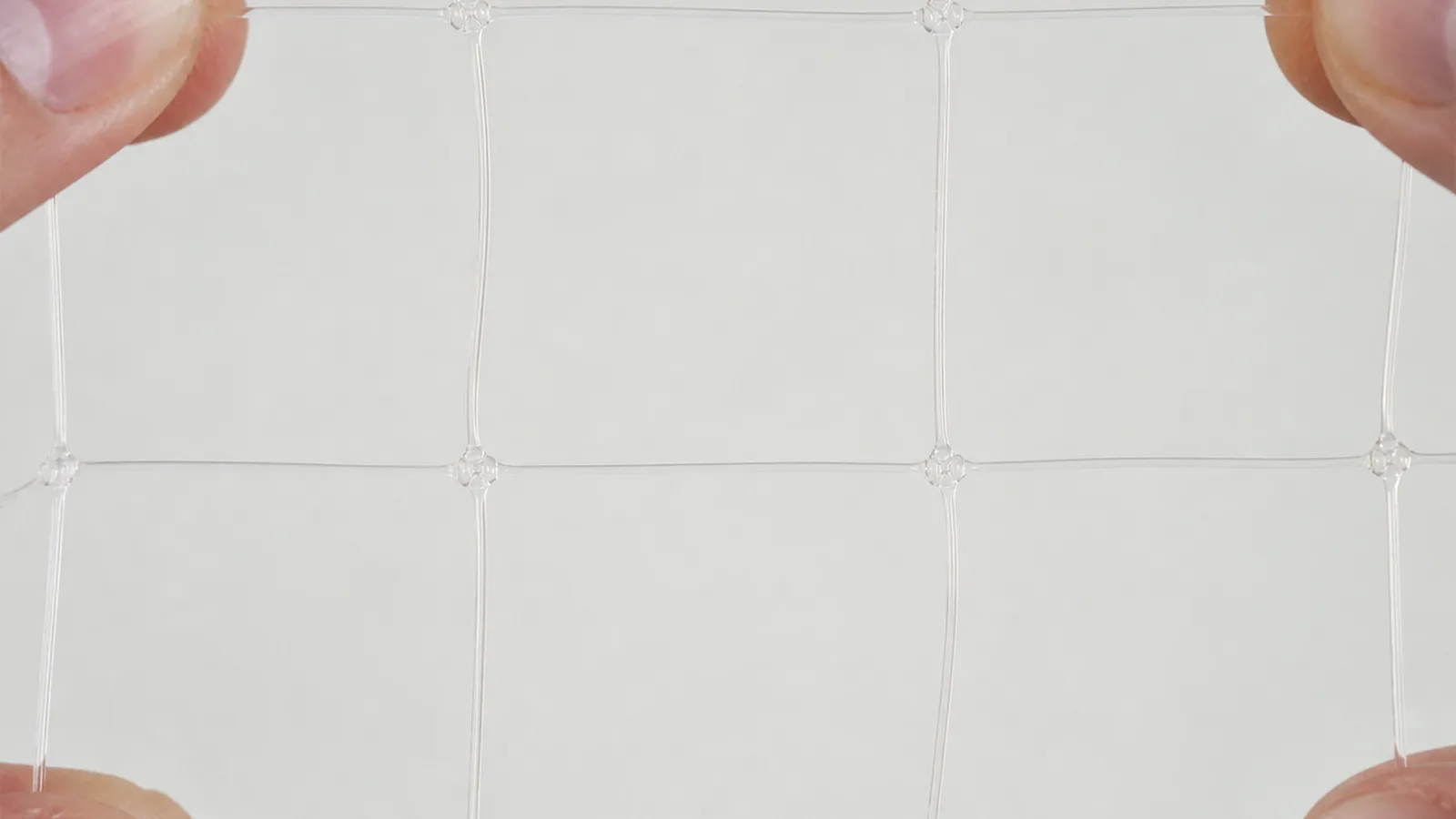
The Transparent Nylon Cat Protection Net product page lists 0.40 mm virgin nylon monofilament, 30 × 30 mm mesh, transparent appearance, standard M 4 × 3 m, L 6 × 3 m, XL 8 × 3 m, and XXL 10 × 4 m sizes, plus custom sizing. It also describes a no-drill option using polycarbonate hooks and MS transparent adhesive. Those product facts cannot approve a particular fixing substrate, reveal, or pivot-window layout.
The installer must verify the substrate and fixing method on site. Keep frame seals, weep paths, operating hardware, and glazing beads accessible. A surface that looks flat in a photograph is not automatically suitable for adhesive or drilled fixings.
Decide Whether a Fixed Panel Is Actually Serviceable
A fixed panel may work when the net plane remains completely outside the sash sweep and the handle, latch, cleaning route, and maintenance points stay reachable. When any of those conditions fail, a removable or opening detail may be necessary—but that detail must be designed and approved, not improvised after installation.
The survey should answer four questions:
- Can the window reach every intended operating position without touching the net?
- Can an adult operate and lock the handle without loosening the perimeter?
- Can both glass faces, seals, restrictors, and drainage paths be inspected and cleaned?
- Can the net be resecured in a defined way after authorised access?
If a removable panel is proposed, specify who may open it, how it is positively secured, how the closed condition is checked, and how the opening is controlled while the panel is removed. A cat should never be present in an unprotected room during removal. A zipper, hook, clip, or magnetic closure is suitable only after that exact component and complete system have been approved for the application.
Separate Net Choice From Window Geometry
The transparent nylon product is listed for cat protection at windows, balconies, verandas, terraces, and patios. Its 30 mm mesh and 0.40 mm monofilament are product facts. They cannot establish that one panel layout is safe for every cat, opening, building, or installation condition.
The material decision should consider the animal’s behaviour and the installation environment. A cat that repeatedly bites or attacks mesh may require assessment of the separate wire-reinforced product line. Never combine the nylon product image, 0.40 mm specification, and no-drill kit with the 1.0 mm PE/HDPE wire-reinforced construction as if they were variants of one material.
Turn the Survey Into a Quotation Package
Send more than a front-facing photo. A usable inquiry package includes:
- opening ID and room or unit location;
- fixed-frame width, height, reveal depth, and perimeter surfaces;
- pivot-axis orientation and position;
- photos in closed, partly rotated, fully open, and cleaning positions;
- maximum inward and outward projections;
- handle, latch, restrictor, and drainage details;
- proposed net plane and closest sash approach;
- drilled or no-drill preference, subject to installer confirmation;
- cat behaviour and supervision information relevant to material choice;
- whether a removable panel is requested and why; and
- property or building restrictions that require separate approval.
Use a dimensioned sketch even when a video is supplied. Video helps reviewers understand motion, but it is not a reliable scale record by itself.
Perform a Movement Test Before Handover
After installation, keep the cat away while the installer operates the sash slowly through all approved positions. Watch the closest approach at corners, handle zones, and mid-rotation. Confirm the sash cannot snag the mesh or pull the perimeter. Test the latch and any authorised removable-panel sequence.
Record the final fixing line, opening range, panel identity, access method, inspection points, and any restricted window position. Hand those records to the occupant. A later cleaner, window technician, or tenant should not have to guess how the protection boundary is restored.
Reinspect after the first operating cycles and after any window service, seal replacement, facade work, or impact. Stop using the opening if the mesh, edge, fixing, or closure is damaged or loose.
Related Reading
- Cat Netting for Casement Windows covers a side-hinged sash and helps clarify why pivot geometry needs its own survey.
- Cat Net for Recessed Windows focuses on reveal depth and handle clearance.
- Reinstalling Cat Net After Window or Facade Work explains the handback evidence needed after another trade disturbs the boundary.
Send the Pivot Motion, Not Just the Opening Dimensions
Use the MaxCatNet inquiry route to send the opening ID, pivot type, fixed-frame and reveal dimensions, full rotation video, photos at every stop, proposed fixing surfaces, handle and cleaning-access needs, cat behaviour, and building restrictions. Ask for confirmation of the appropriate product, fixing approach, panel format, and any required installer verification before ordering.