
A “30 mm mesh” line on a quotation is not yet an inspection method. The buyer and supplier still need to agree where the measurement starts and ends, how the net is supported, how much tension is applied, how many openings are checked, and what variation is acceptable. Without those details, two inspectors can measure the same flexible net and produce different answers.
The current wire-reinforced cat-net specification lists a 30 × 30 mm mesh and a 1.0 mm line diameter. Those values identify the offered product. Bulk approval becomes reliable only after the commercial order adds a repeatable measurement basis and an agreed disposition rule.
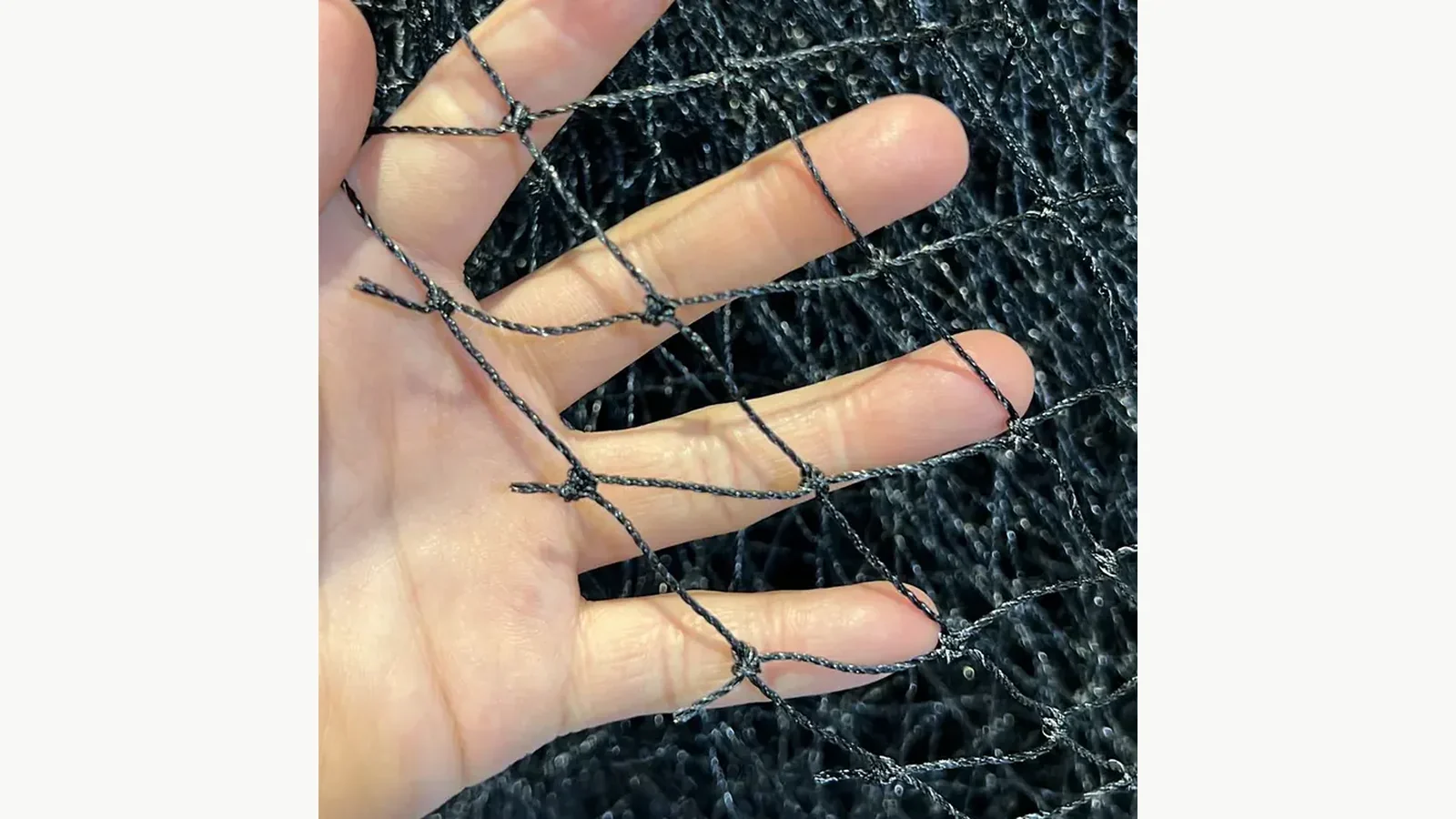
First Define What “30 mm” Means in the Order
The quotation should state how the opening is measured. Possible conventions include the clear space between adjacent strands or a centre-to-centre distance. These are not interchangeable. The current product record establishes the 30 × 30 mm listed mesh, but it does not supply a contractual measurement convention or tolerance. Ask the supplier to mark the basis on a drawing or an approved sample photograph.
The exact stainless-steel wire-reinforced cat net also lists a 1.0 mm line diameter and 12+1, 15+3, and 18+6 reinforced structures. Mesh opening, line diameter, and internal structure are three separate fields. Passing one never proves the other two.
A useful specification block contains:
| Field | What the buyer should lock |
|---|---|
| Product structure | 12+1, 15+3, or 18+6 |
| Listed line diameter | 1.0 mm, subject to agreed verification method |
| Mesh | 30 × 30 mm |
| Measurement basis | clearly defined points on the strand or knot drawing |
| Sample support | frame or flat fixture dimensions |
| Tension condition | agreed method that both parties can repeat |
| Sample quantity | panels, rolls, locations, and openings per location |
| Acceptance | agreed variation and disposition rule |
The published 12+1, 15+3, and 18+6 structure-control guide explains why the strand construction must stay on the purchase record. The aperture inspection adds another control; it does not replace structure identification.
Stabilize the Net Before Measuring
Flexible mesh changes shape when it is folded, hung, pulled, or laid loosely on a table. Inspecting a crumpled piece makes the result depend on the inspector's hand. Use a simple frame or flat fixture that holds the sample in a defined condition without stretching it beyond the agreed setup.
Record the frame size, clamp or hook positions, and the sequence used to support the panel. If a tension value or hanging load is part of the contract, it must come from the agreed product specification or test method. Where no force value has been agreed, use a physical setup that can be photographed and repeated, then have both parties approve it with the sample.
Let the material settle in the fixture before reading. Keep the sample dry and free from twists. Knots should lie in their normal orientation rather than being forced square by hand. The objective is not to make every opening look perfect; it is to create the same observation condition at the supplier and at receiving.
Measure More Than One Opening and More Than One Direction
One opening beside the edge cannot represent an entire panel or roll. Build a location map that includes the centre, several interior zones, and selected areas near the finished edge. Avoid using the very first distorted opening at a cut corner as the only result. When edge behaviour matters, record it separately.
Measure both directions of the nominal 30 × 30 mm opening. The net may be presented as a square mesh, yet flexible handling can make one direction appear longer while the other appears shorter. The record should preserve the two readings rather than averaging them into one number too early.
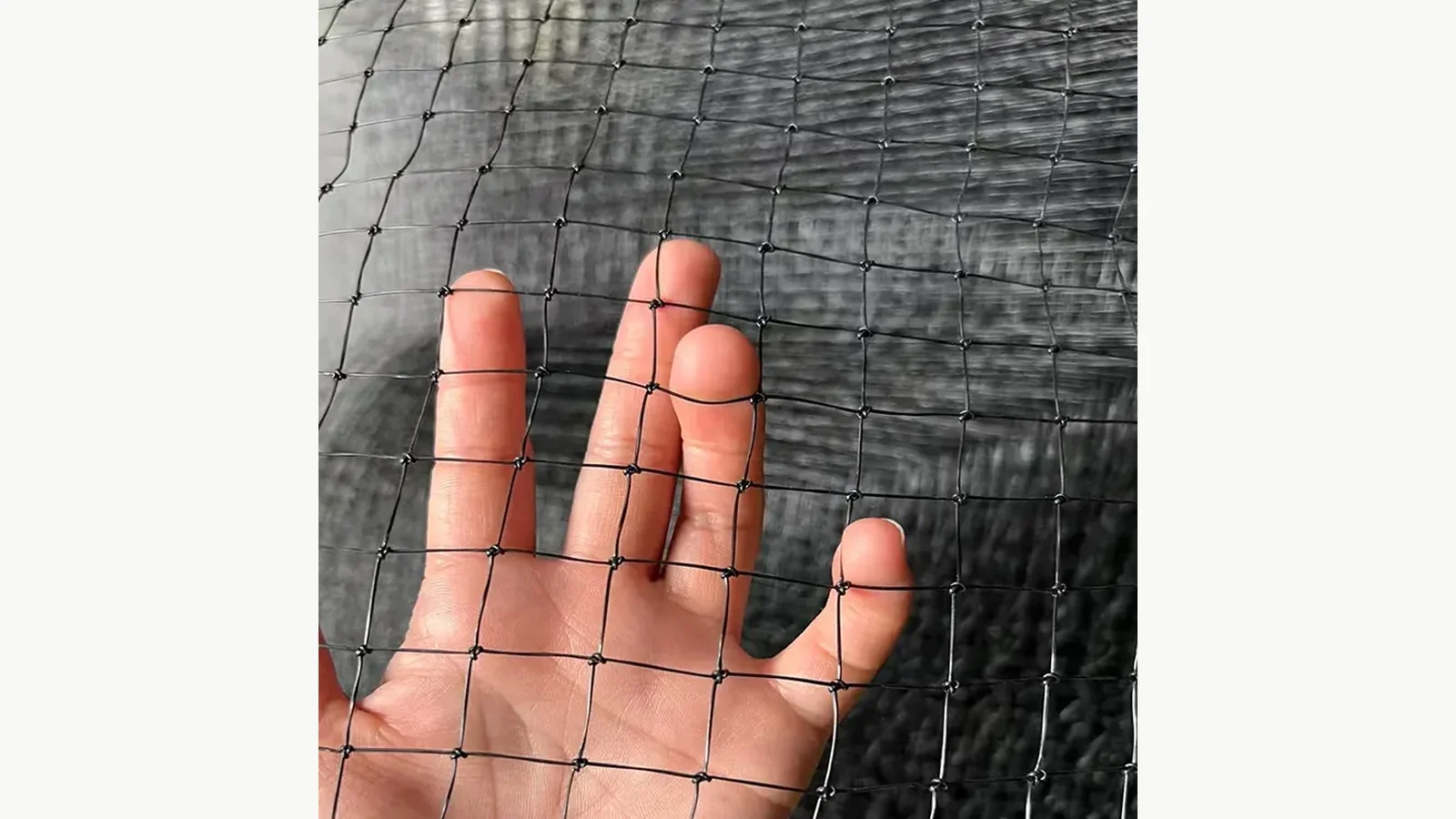
Use a scale or gauge suitable for the agreed accuracy. Place it in the same plane as the mesh to reduce perspective error. A photograph taken at an angle can exaggerate or shrink the apparent opening, so keep the camera square to the fixture and include the full measurement points.
Create a Sampling Plan That Follows the Packing Unit
Sampling should match how the goods are produced and received. Retail-cut panels may be identified by size, color, product structure, and carton. Continuous rolls may need roll numbers, length records, and start/middle/end sampling. A mixed order should not combine every structure or color into one anonymous sample group.
For each selected panel or roll, record:
- purchase-order and item number;
- 12+1, 15+3, or 18+6 structure;
- color and finished size or roll identity;
- carton, batch, and sample location;
- fixture and support method;
- readings in both mesh directions;
- line-diameter check where required;
- knot, strand, coating, cut-edge, and accessory observations;
- inspector, date, photographs, and decision.
The buyer sets the sample quantity according to project risk, lot structure, order size, and contractual inspection level. A random number copied from another product does not become suitable merely because it is familiar.
Separate Mesh Variation From Handling Distortion
When a reading appears outside the approved range, keep the sample in place and check the setup first. Confirm that the frame, clamps, and measurement points match the approved method. Then inspect neighbouring openings and another location from the same panel. This sequence helps distinguish a local handling distortion from a repeated production pattern.
Never pull one strand until the reading enters the expected range. That changes the evidence. Photograph the original condition, record the repeated measurement, and keep the panel identity attached. If a second method is used, label it as a separate check rather than replacing the first result.
The buyer and supplier should agree how to classify isolated irregularities, repeated deviations, edge distortion, broken strands, loose knots, or coating damage. The agreement can call for segregation, expanded sampling, rework where suitable, replacement, or joint review. The product page itself does not establish those commercial limits.
Keep the Approved Sample Through Production and Receiving
The approved sample should carry the product structure, color, dimensions, measurement basis, fixture photograph, measurement map, and approval date. A loose cut piece without those records is hard to use months later. Retain enough material to see several openings and at least one representative finished edge.
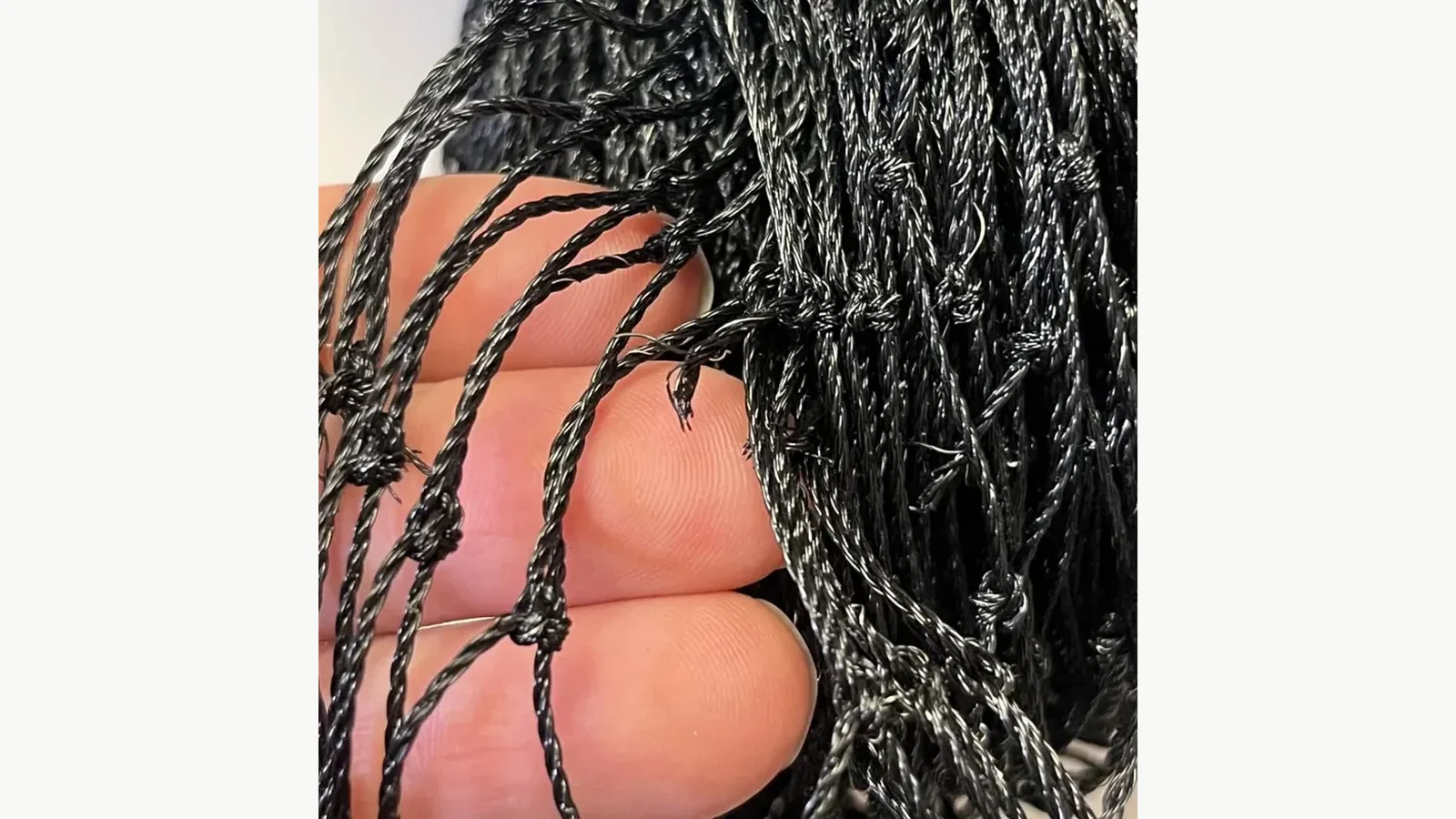
During production, the supplier can repeat the same fixture and location method on identified lots. Pre-shipment evidence should show the scale in the mesh plane, the opening boundaries, the item label, and the result sheet. Receiving can then reproduce the check before panels are distributed to projects or retail packs are relabeled.
If the order changes from retail-cut panels to continuous rolls, or from one reinforced structure to another, reopen the sample and sampling plan. The old approval does not automatically cover the new packing unit or structure.
Avoid Turning Mesh Size Into a Safety Guarantee
Mesh size is only one part of a pet-net system. Material structure, perimeter fixing, substrate, hooks or anchors, rope, installation quality, maintenance, exposure, animal behaviour, and access boundaries all matter. A 30 mm opening record proves only what the agreed inspection checked.
This product is for pet-protection applications, not child fall protection. The inspection report should use the product's actual scope and avoid broader safety ratings that have not been verified.
Related Reading
- Wire-reinforced cat-net color and lot approval keeps color decisions attached to elevations, panels, and replacement lots.
- Planning a 100-piece cat-net trial order connects the sample, packing, schedule, and production window.
- Reading cat-net mesh size and strand diameter covers the specification fields that precede physical inspection.
Send a Measurement-Ready RFQ
Send Max Cat Net the selected 12+1, 15+3, or 18+6 structure, color, finished panel or roll size, quantity, packing format, label requirements, and intended application. Ask the supplier to propose a drawing that defines the 30 mm measurement basis, a repeatable support fixture, the sample locations, and an evidence sheet. Add the buyer's permitted variation and disposition rule before approving bulk production.