A cat safety net manufacturer worth your bulk order does three things right: uses UV-stabilized HDPE or nylon that holds up outdoors, offers consistent mesh sizing (typically 3×3 cm or 5×5 cm), and can document QC checks per batch — not just a final visual once-over. Skip factories that cannot explain their material grade or edge-reinforcement method. Here is what to check before you commit.
Material Choices and Why They Decide Resale Quality
The netting material is the single biggest factor in how long the product lasts on a customer’s balcony — and how many returns you field later.
Most cat safety nets on the B2B market are made from one of two materials: UV-stabilized HDPE (high-density polyethylene) or nylon (polyamide). Each has a legitimate place, but they serve different price points and use cases.
UV-stabilized HDPE is the workhorse for outdoor cat enclosures. It resists ultraviolet degradation, handles rain and humidity without rotting, and stays flexible in temperatures from roughly -20°C to 60°C. Strand diameters typically run between 1.0 mm and 2.0 mm, with thicker strands adding tear resistance at a small weight penalty. For Amazon sellers and pet brands selling to end users who install the net once and expect it to last years, HDPE with documented UV stabilization is the safer default.
Nylon (polyamide) offers higher initial tensile strength — a nylon net of the same strand thickness can hold more before stretching — but standard nylon degrades noticeably under direct sun unless the factory adds UV inhibitors. Nylon also absorbs more water than HDPE, which can lead to mildew in humid climates if the net is not treated. Nylon nets are more common in indoor or covered-balcony applications, or in markets where the end user replaces the net annually.
A practical check: ask the factory for the material data sheet (MDS) or at minimum a written spec sheet listing the polymer grade, UV-stabilizer percentage (for HDPE), and strand diameter tolerance. A factory that replies “we use good quality material” without a spec sheet is not a factory you can scale with.
What to ask the supplier:
- Is the HDPE virgin or regrind, and what percentage of UV stabilizer is used?
- For nylon nets, is UV treatment added, and what is the expected outdoor lifespan?
- Can they provide a dated tensile-strength test result from the last production batch?
Mesh Size, Edge Finishing, and Load-Bearing Details
Beyond material, three design details separate a net that protects a cat from one that creates a hazard: mesh aperture, edge reinforcement, and the attachment points.
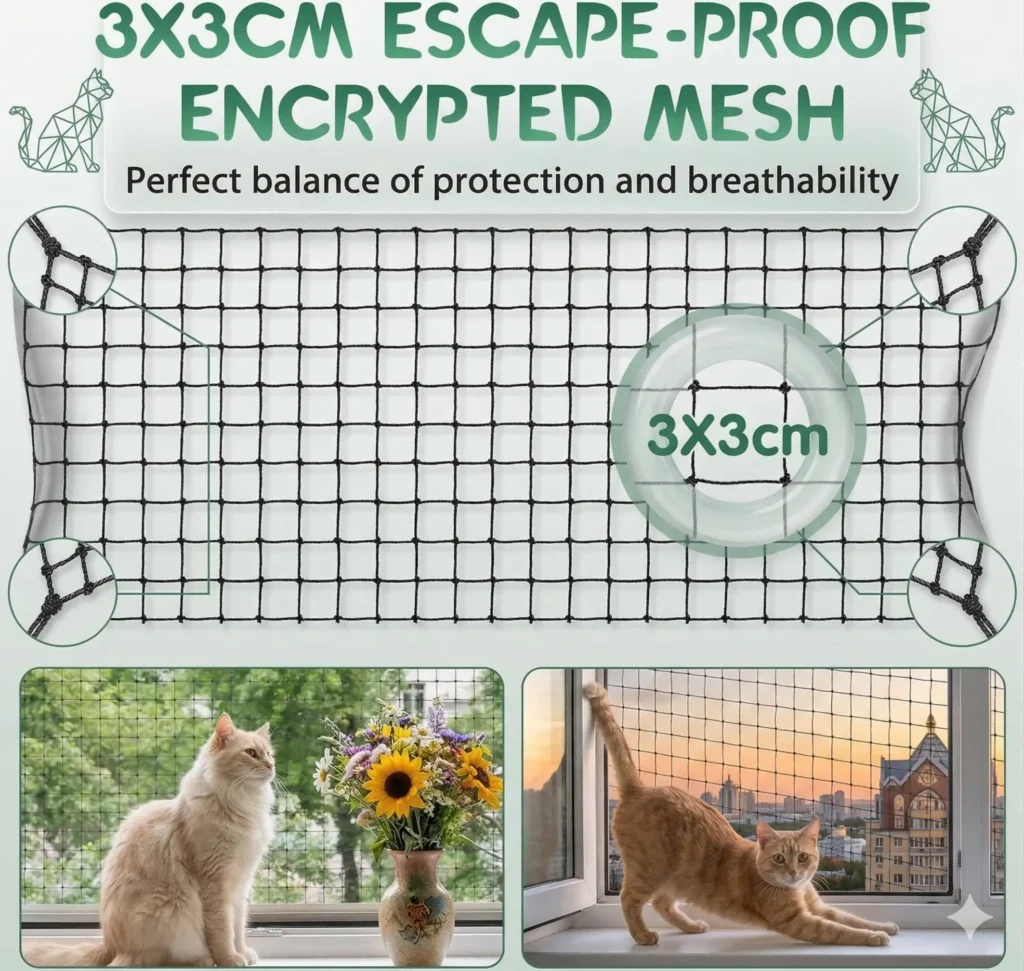
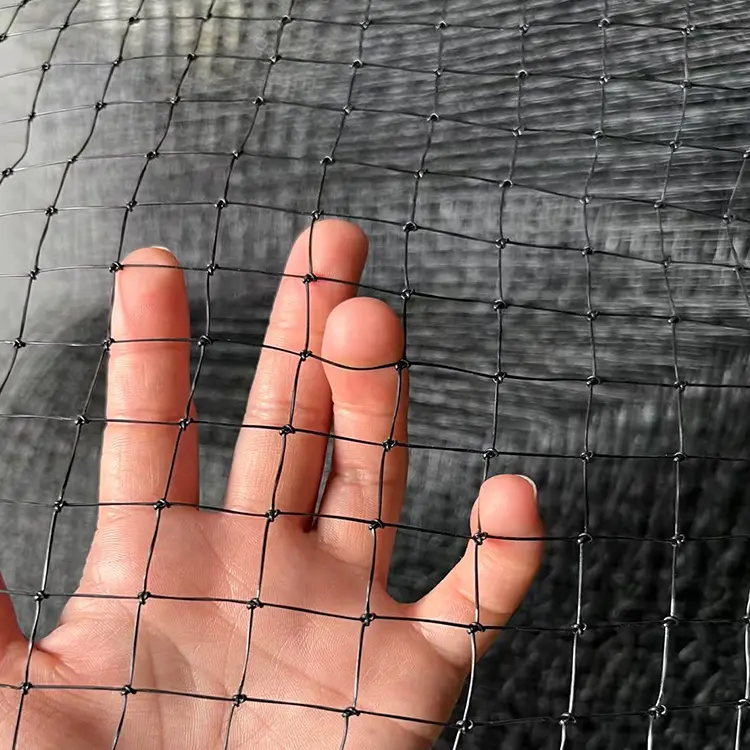
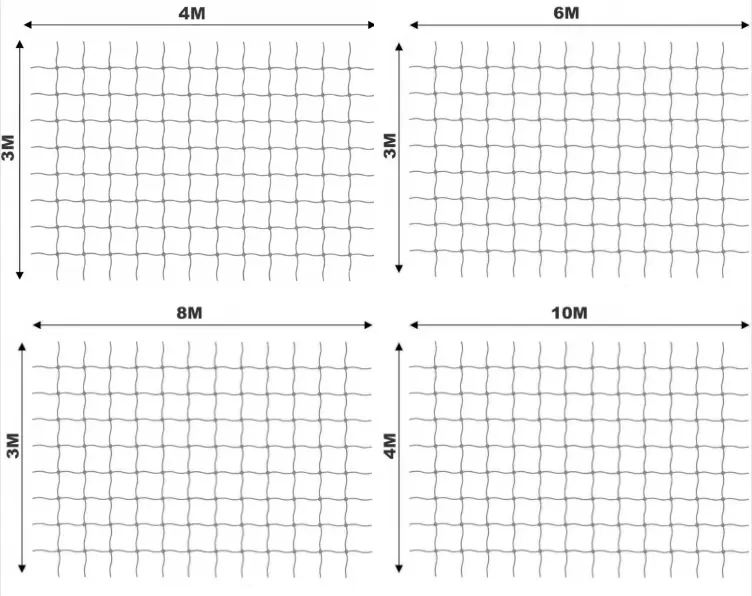
Mesh size (aperture). The two most common configurations are 3 cm x 3 cm and 5 cm x 5 cm. A 3×3 cm mesh prevents kittens and small adult cats from squeezing through or getting a paw or head trapped. A 5×5 cm mesh is adequate for large adult cats but leaves enough gap that a determined smaller cat can push through. Many resellers carry both SKUs — labeled by cat weight class — because neither size serves every customer. Some factories also offer a 2×2 cm option for multi-pet households with kittens and small animals; this specification usually costs more per square meter because it uses more material.
Edge finishing. The perimeter of the net should be reinforced — typically with a folded-and-stitched hem or a sewn-in border rope. This prevents the mesh from unraveling when cut or tensioned. Ask the factory whether edges are double-stitched or single-stitched, and whether the border rope runs through reinforced grommet holes at attachment points. A net with raw-cut edges sold as “trim to fit” will fray within months.
Attachment and load handling. Most cat nets include sewn-in eyelets or reinforced corner loops for hooking onto S-hooks, cable ties, or tension anchors. The load these points handle depends on both the stitching pattern and the anchor hardware. A factory spec sheet should note a rated pulling force per attachment point — not a precise guarantee, but at least a design target — so that installers know whether the net suits windy balconies or high-tension setups.
OEM and Customization: What a Cat Net Factory Should Offer
If you are buying to resell under your own brand, a cat safety net manufacturer needs to do more than ship a generic product in a poly bag.
Private-label packaging. At minimum, a capable factory should be able to package the net in your branded box, blister card, or poly bag with a custom header card. Ask for a packaging sample photo before production; artwork misalignment on header cards is a common quality issue.
Custom sizing and color. Standard roll sizes (1 m, 1.5 m, 2 m, 3 m, 5 m widths) are readily available, but a factory that also cuts to your custom dimensions — say, 1.2 m x 3 m pre-cut panels for a specific balcony kit — adds real value for kit-based Amazon listings. Color options typically include black, white, beige, transparent/translucent, and green. Custom color matching (e.g., a brand’s specific beige tone) may carry a higher MOQ and a color-matching fee; confirm both upfront.
Branded accessories. Some factories can source or bundle companion hardware — S-hooks, wall plugs, cable ties, tension rods, adhesive hook strips — with your branding on the accessory packaging. This turns a net-only SKU into a complete installation kit, which tends to command a higher retail price and generate fewer “missing parts” returns.
What to confirm in writing before ordering:
- MOQ per SKU, and whether mixing sizes/colors within the MOQ is allowed
- Per-SKU setup fee for custom packaging artwork
- Lead time for first-time OEM orders (typically 15–30 days production plus shipping, but confirm per factory)
QC, Packaging, and Shipping — The Operational Test
A factory’s quality-control process and shipping discipline tell you more about reliability than a catalog photo ever will.
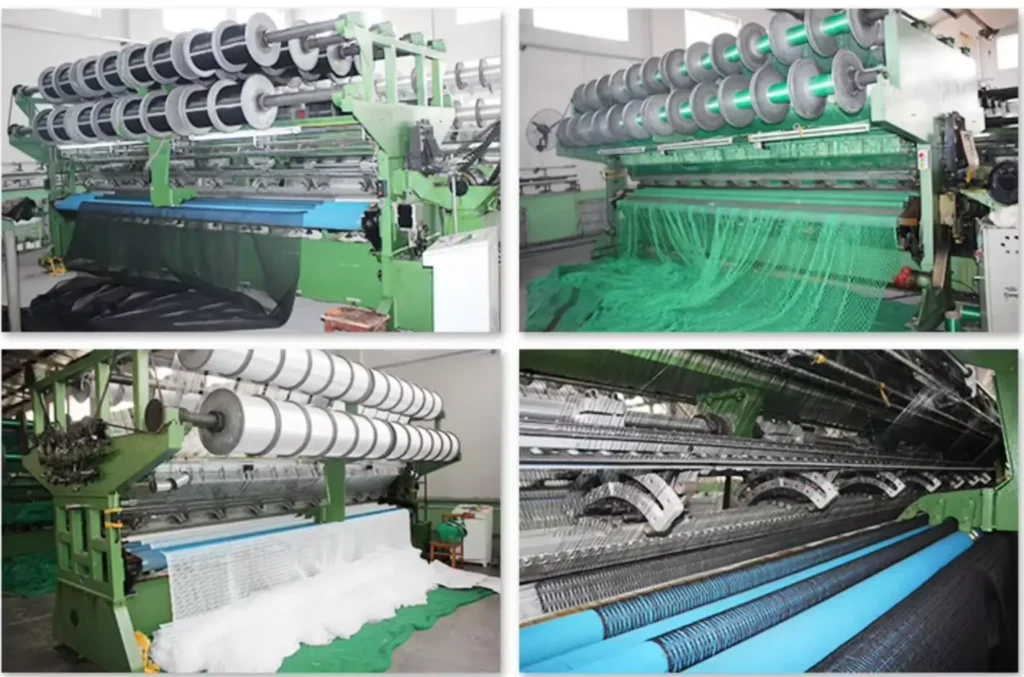
In-process QC. A serious cat net factory runs at least two checkpoints: an inline check during knitting/extrusion (to catch broken strands and mesh-count drift) and a finished-roll inspection (to verify dimensions, edge stitching, and overall appearance). Ask whether the factory keeps a QC log per production batch. If the answer is “we check every piece,” ask to see the checklist format. If there is no format, there is no system.
Pre-shipment sampling. Before a container or pallet ships, request photos of randomly pulled samples from the actual production run — not the original approval sample. Check that the mesh count (holes per linear meter) matches the spec, the color matches the Pantone or physical swatch, and the packaging is printed straight.
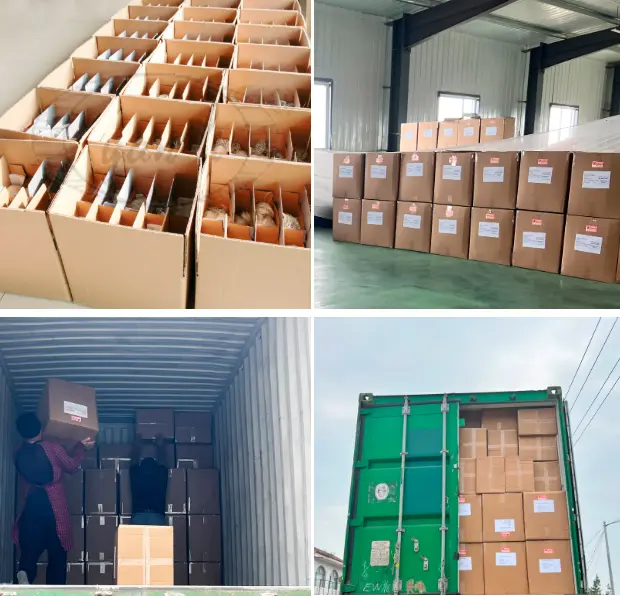
Packaging that protects the product. Poly bags with header cards work for lightweight retail, but nets packed too tightly can develop permanent creases that end users complain about. Rolled and shrink-wrapped packaging is common for bulk wholesale. If the net ships folded, ask the factory to use tissue interleaving or a folding pattern that avoids sharp creases on the mesh. For container orders, confirm pallet configuration and weight distribution — unevenly loaded pallets can shift during ocean freight and damage packaging.
Shipping and logistics. Most cat net factories in China ship FOB (Free On Board) from major ports such as Ningbo or Shanghai. Ask for estimated transit times to your destination port and whether the factory has experience with Amazon FBA labeling and pallet requirements if that is your channel. Some factories offer DDP (Delivered Duty Paid) for select destinations, but this should be confirmed per shipment and per country.
Comparison Table: Key Specs to Cross-Check Across Suppliers
Use this table as a checklist when comparing two or three cat safety net manufacturers. The columns are specs you should be able to get in writing — if a factory cannot answer a row, that is a data point.
| Specification | What to Ask | Why It Matters |
|---|---|---|
| Material type | HDPE (virgin or regrind?) vs. nylon (UV-treated?) | Determines outdoor lifespan and return rate |
| Strand diameter | 1.0 mm, 1.5 mm, 2.0 mm — what tolerance? | Thicker strands = more tear resistance, slightly heavier |
| Mesh aperture | 3×3 cm, 5×5 cm, or custom | Dictates which cat sizes the net is safe for |
| UV stabilization | HDPE: % of UV stabilizer; nylon: UV treatment confirmation | Without it, net degrades in 6–12 months of direct sun |
| Edge finishing | Double-stitched hem? Border rope? Grommets? | Prevents fraying; affects perceived quality |
| Attachment points | Sewn eyelets or reinforced loops; rated pull force | Determines installation reliability on windy balconies |
| Roll width options | 1 m / 1.5 m / 2 m / 3 m / 5 m — custom possible? | Wider rolls = fewer seams for large balconies |
| Color options | Black, white, beige, transparent, green — custom match? | Color consistency across batches affects brand perception |
| MOQ per SKU | Minimum rolls per size/color; mixing allowed? | Determines upfront cash commitment |
| OEM packaging | Box, blister card, header card, poly bag — setup fee? | Directly affects your brand presentation on Amazon/retail |
| QC documentation | Per-batch tensile test, mesh-count check, UV test report | Separates systematic factories from visual-only inspection |
| Lead time | Production days + transit days; peak-season adjustments | Critical for inventory planning and stockout avoidance |
| Shipping terms | FOB port, DDP availability, FBA prep experience | Affects landed cost and Amazon compliance |
FAQ
Q1: What material holds up longest outdoors — HDPE or nylon?
UV-stabilized HDPE typically resists sunlight and moisture better than standard nylon over a multi-year outdoor lifespan. Nylon can have higher initial tensile strength but degrades faster without UV treatment. For balcony and window applications, UV-stabilized HDPE is the more common B2B specification. If a supplier offers nylon, ask for UV-aging data or outdoor-installation reference photos before committing a bulk order.
Q2: Which mesh size actually stops a cat — 3 cm or 5 cm?
A 3×3 cm mesh prevents kittens and small cats from squeezing through or getting a head stuck. A 5×5 cm mesh is generally safe for adult cats but can be a risk for smaller breeds or determined escape artists. Many resellers stock both sizes and label them clearly by weight class — for example, “kitten-safe 3 cm” vs. “adult cat 5 cm.” If you plan to sell both, confirm with the factory that the two mesh sizes come from separate production runs to avoid mixed-batch errors.
Q3: What MOQ should a first-time B2B buyer expect?
MOQs vary by factory and by customization level. Stock-spec wholesale cat nets in standard colors and sizes can start as low as 50–100 rolls. Custom-color or custom-size rolls often start around 300–500 rolls per SKU. Private-label packaging usually adds a per-SKU setup charge, and some factories allow mixing sizes within a combined MOQ while others do not. Always get the MOQ breakdown in writing — per size, per color, and per packaging type — before comparing suppliers.
Q4: Do no-drill installation kits work on all balcony types?
No-drill solutions — tension rods, adhesive hooks, clamp brackets — can work well on smooth, non-porous surfaces in moderate weather. On rough brick, textured render, peeled paint, or in areas with strong wind gusts, holding strength varies. A responsible B2B supplier discloses surface and weather limitations rather than advertising a one-size-fits-all “no tools” solution. If your target market includes rental-apartment customers who cannot drill, confirm that the factory’s accessory kit has been tested on common balcony surface types and ask for the weight/tension rating of the adhesive or clamp system.
Q5: What QC documents should a buyer request before placing a container order?
Request a pre-production sample with a dated batch QC report covering at minimum: mesh-count verification (holes per linear meter), tensile-strength reading from a sample pull test, UV-aging test documentation if the net is marketed as UV-resistant, and close-up photos of edge stitching from multiple points on the roll. A factory that cannot produce a dated QC sheet per production run likely relies on visual spot-checks rather than systematic quality control. For first orders, consider requesting an AQL (Acceptable Quality Limit) sampling plan — even a basic Level II check at 2.5 or 4.0 gives you a defensible standard.
Internal Link Suggestions
- If you are comparing factories, also review the operational capabilities of a cat protection net factory with full OEM capacity. The page covers factory audit criteria, customization ranges, and minimum-order structures that complement the spec checklist in this article.
Next Step
Every factory has a catalog. Fewer can produce a dated material spec sheet, a batch QC log, and packaging samples on request. Before you place a trial order, ask for those three items. If you need a sample roll, a specification sheet, or a project quote with a full OEM breakdown, reach out to the MaxCatNet team — they will walk you through available materials, mesh options, and packaging formats for your channel.