A 30 mm net can be relevant to some bird-exclusion briefs, but the number alone is not an approval. The buyer must identify the target bird, the opening to be protected, every escape gap, the actual fixing substrate and the local wildlife rules. Without those answers, ordering it as a generic “anti-bird net” is premature.
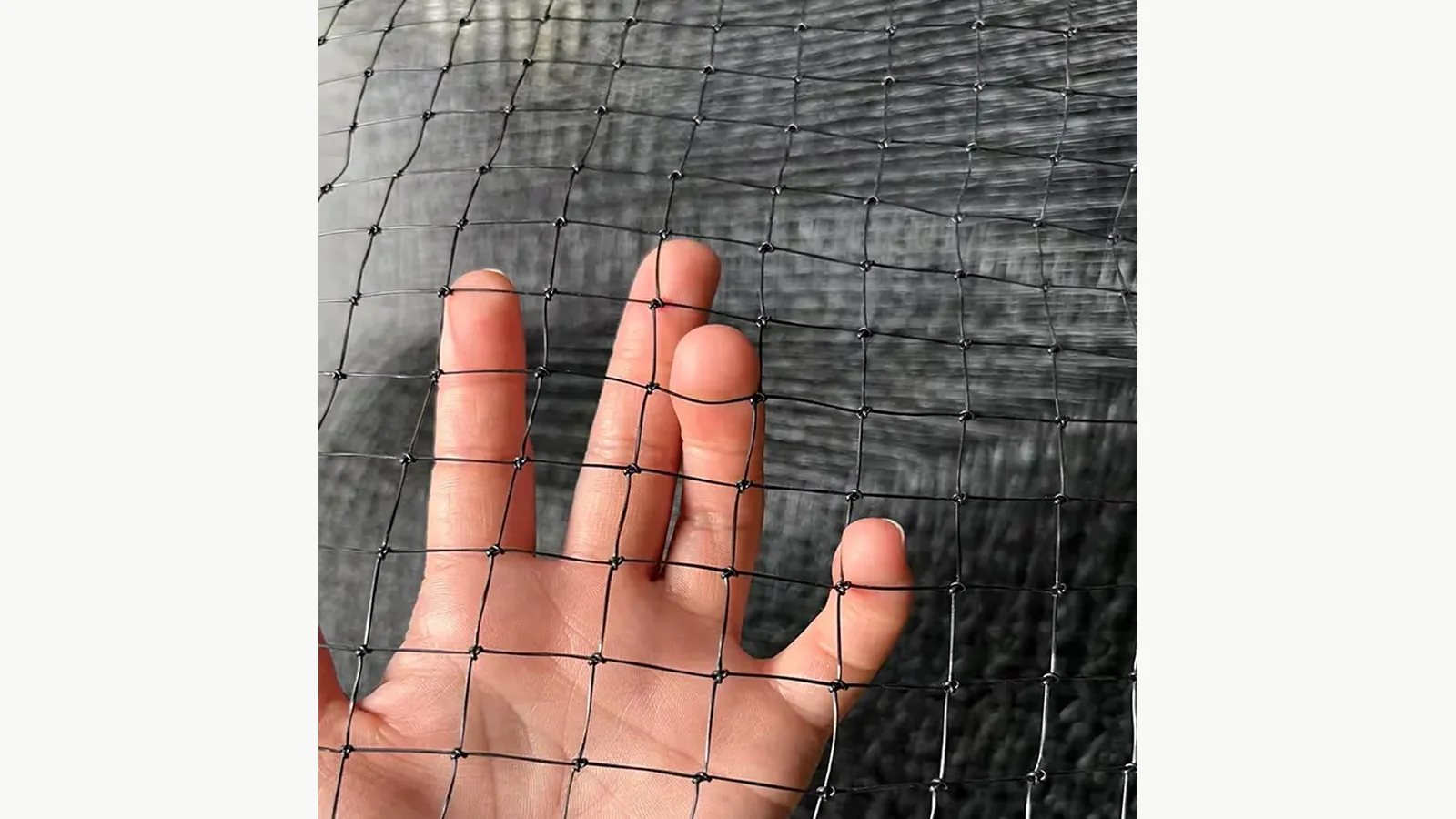
Max Cat Net lists bird protection among the uses of its wire-reinforced product. The listed material is a PE/HDPE multi-strand net with stainless-steel reinforcement, 1.0 mm line diameter and 30 × 30 mm mesh. Those are product facts, but they cannot prove that one panel size or installation method excludes every bird species or fits every building.
Start With the Target Species, Not the Product Name
Record the common and, where possible, scientific name of the bird involved. Add photographs, approximate body size, entry points, nesting or feeding behaviour and the time of day the issue occurs. A pigeon, starling and small sparrow present different opening-size decisions.
Official bird-control guidance consistently treats mesh size as species-dependent. Japan's National Agriculture and Food Research Organization, for example, publishes different mesh guidance for different birds and warns that loose or coarse netting can create entanglement risk. UK government poultry guidance uses a maximum 25 mm mesh where small wild birds must be kept out. These references neither approve nor reject this product for a particular balcony; they show why the responsible local specialist must match mesh to the actual target.
Use the 30 mm value as a question in the survey: Is this opening sufficiently small for the target bird under the project's local guidance, and can the installed system remain taut, visible and inspectable? If the answer is uncertain, keep product selection open.
Separate Product Evidence From Exclusion-System Design
The wire-reinforced cat-net product page lists 12+1, 15+3 and 18+6 structures, black, olive green, beige and white options, and drilled or no-drill installation packages. It also lists accessories such as fastening rope, hooks, plugs and cable ties.
That information identifies available material and supply options. It does not establish anchor capacity, perimeter spacing, wind loading, facade suitability or wildlife compliance for a particular building. Put those responsibilities in separate columns:
| Product return | Installer/project return |
|---|---|
| Listed structure and mesh | Target species and exclusion objective |
| Line diameter and colour | Full perimeter and all gap dimensions |
| Roll or cut-panel size | Substrate, fixing and structural review |
| Supplied accessories | Tension, edge, access and inspection method |
| Sample and packing code | Permissions and local wildlife requirements |
This boundary prevents a complete carton from being mistaken for a complete installed system.
Survey the Whole Flight Path
Draw a plan and elevation of the balcony, window recess, light well or other enclosure. Mark every open face, upper edge, handrail gap, side return, drain opening, service penetration and movable element. Birds use small discontinuities; a correctly selected mesh panel cannot compensate for an unrecorded opening beside it.
Photograph the approach as well as the inside. A square-on photo shows dimensions, while a diagonal view shows ledges and alternative entry routes. Number each gap and return the same IDs on the drawing, quotation and installation check.
Never stretch netting across a window, drain or facade service point without an access decision. The responsible installer should show how maintenance will occur and how the access detail will be closed and inspected afterward.
Check Humane-Exclusion Risks Before Pricing
The objective is exclusion, not capture. Loose folds, pockets, torn edges and poorly finished joins can create entanglement hazards. The survey should define how the system remains taut, how edges are terminated, how damage is detected and who responds if a bird becomes trapped.
Ask the local wildlife authority or qualified bird-control contractor about protected species, active nests, seasonal restrictions and any licence requirements. The article cannot replace that advice, and the supplier should not be asked to infer local law from a destination country alone.
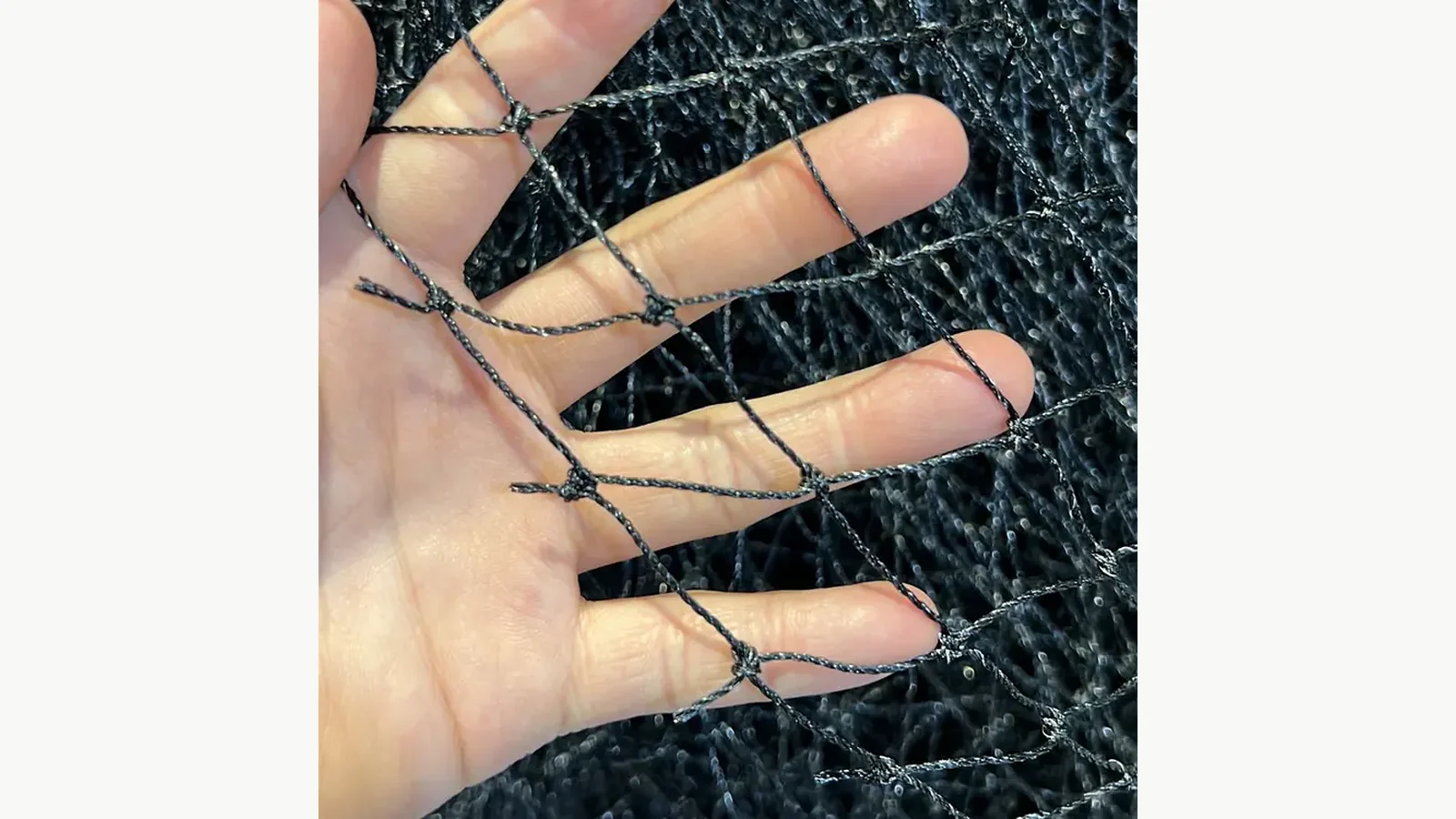
Colour also belongs in the safety and appearance review. Max Cat Net lists four colours, but no colour is declared universally best for birds or every facade. Approve a physical sample against the real background and have the specialist decide the visibility requirement.
Request a Sample That Answers Project Questions
A useful sample is not only a small square of mesh. Ask the supplier to label the structure, line diameter, mesh, colour and production reference. If accessories are part of the proposed supply, label those separately and keep the intended substrate on the sample form.
The sample review should record:
- measured mesh opening and line diameter;
- structure code and colour against the order;
- knot and edge condition;
- visibility under the project's day and night background;
- proposed cut-panel and labelling method;
- accessory identity without assuming substrate approval;
- installer comments and unresolved fields.
The existing guide to cat-net sample-panel approval provides a useful purchasing record. For bird exclusion, add target-species sign-off and humane-installation review rather than reusing a cat-safety approval unchanged.
Build an RFQ With a Stop/Go Gate
Use one row per protected opening. Include:
| Field | Required evidence |
|---|---|
| Opening ID | Drawing and current photographs |
| Target bird | Buyer/specialist identification |
| Mesh decision | Required maximum opening and approving party |
| Product | Exact 30 mm wire-reinforced structure under review |
| Dimensions | Finished boundary and panel schedule |
| Substrate | Installer-verified fixing surface |
| Access | Window, drain, facade and rescue access |
| Permissions | Property and wildlife approvals |
| Inspection | Handover, routine checks and damage response |
| Supply | Roll/cut format, colour, accessories, labels and quantity |
Add a stop/go field. “GO” means the target species, mesh suitability, perimeter, fixing and compliance have written approval. “STOP” means one or more remain open. A supplier can price material while the row is open, but the project should not present that price as an approved exclusion system.
Keep Cat-Safety Claims Separate From Bird Control
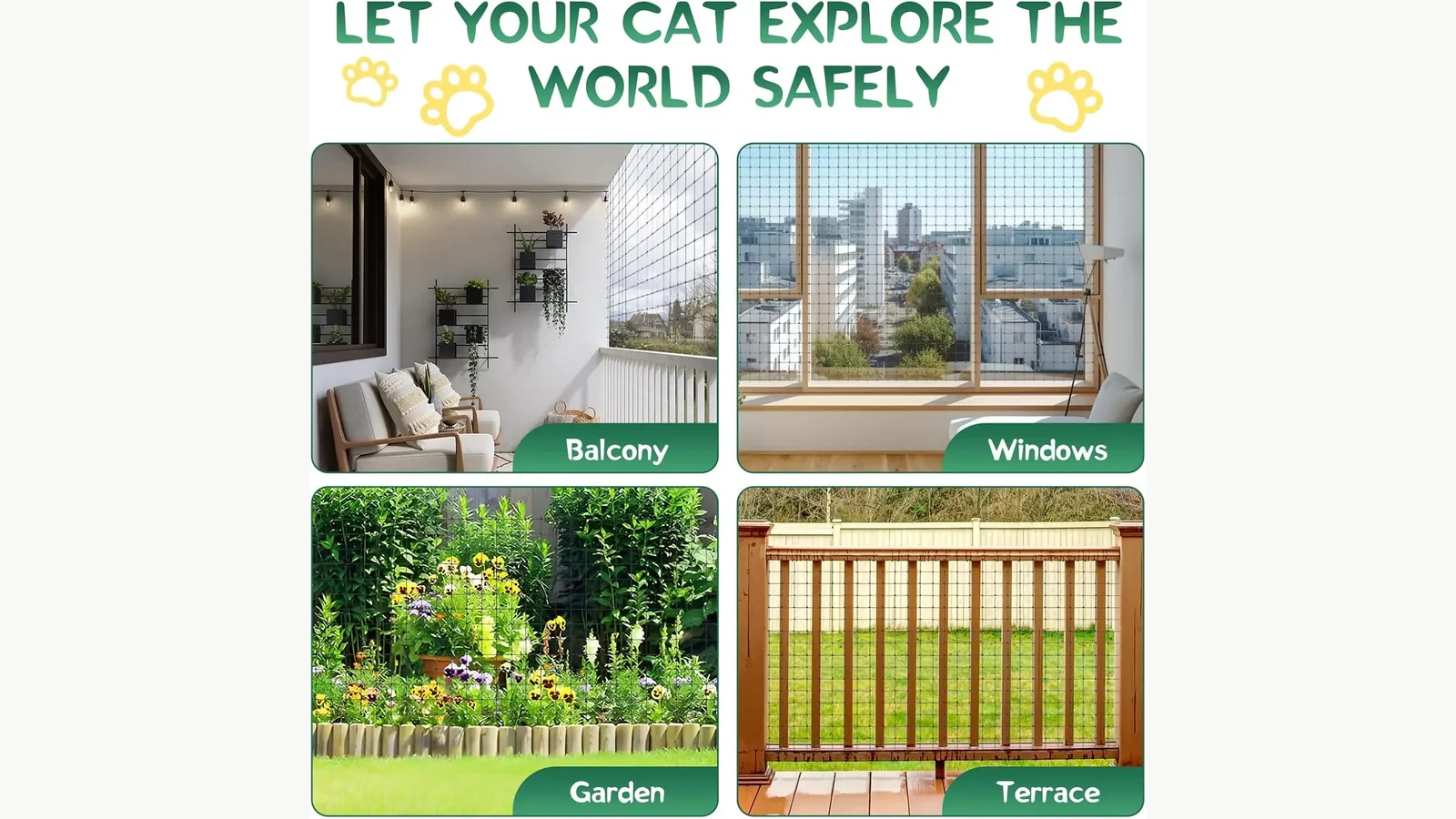
The reinforced net is sold primarily as a cat-protection product. Bird protection is a listed use, but the two risk assessments are different. Cat behaviour, climbing and bite resistance cannot prove exclusion for a small bird; bird-species guidance cannot prove a complete cat-safe balcony.
The product is also not a child-safety barrier. Keep that exclusion explicit in buyer files, packaging and installer communications.
Related Reading
- Cat-net mesh size and strand diameter specification
- Wire-reinforced cat-net fixing structure
- Open-top balcony boundaries and fixing limits
Buyer Checklist
- [ ] Target bird and local specialist are identified
- [ ] Mesh-size decision is species-specific and documented
- [ ] Every perimeter gap and movable opening is mapped
- [ ] Product facts and installer responsibilities are separate
- [ ] Humane exclusion, nest and entanglement risks are reviewed
- [ ] Sample, colour, edge and accessory codes are recorded
- [ ] Inspection, rescue access and damaged-net response are defined
FAQ
Will 30 mm mesh stop every bird?
No. Mesh suitability depends on the target species and installed condition. Smaller birds can require a smaller opening, and local guidance must control the decision.
Does stainless-steel reinforcement make the complete installation safe?
No. It is a material feature. Perimeter design, substrate, fixing, tension, access, inspection and wildlife requirements remain project-specific.
Can this product be used as a child-safety net?
No such use is approved here. Treat it as a pet/bird-control material only within a separately reviewed system.
CTA
Send Max Cat Net the target bird, labelled opening drawings, gap photos, required mesh decision, colour, structure, cut-panel or roll format and quantity. Ask for a traceable material sample and quotation while your local wildlife specialist and installer approve species suitability, fixing and humane-exclusion details.